
The National Automotive Design and Development Council (NADDC) has signed an Expression of Interest with Japan’s Kaiho Industry Co. Ltd. to establish Nigeria’s first modern End-of-Life Vehicle (ELV) recycling plant. This pivotal partnership is set to launch the country into a sustainable, circular automotive economy, creating thousands of jobs and drastically reducing environmental pollution.
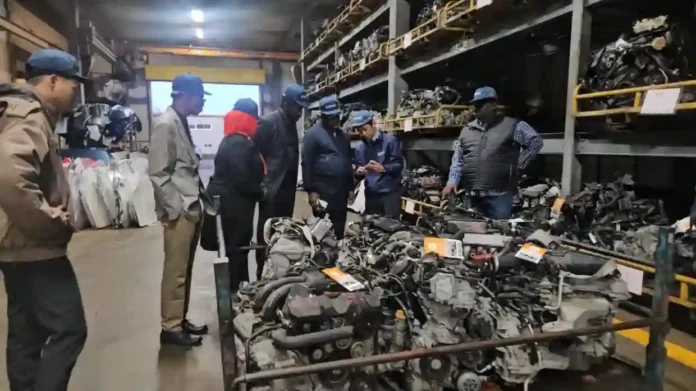
The agreement followed a visit by NADDC Director-General, Oluwemimo Joseph Osanipin, and his delegation to Kaiho’s headquarters in Japan, where they toured the firm’s globally certified processes for environmentally responsible dismantling and resource recovery.
Kaiho Industry’s Executive Officer, Taishi Suzuki, committed the company to building a “transparent, safe, and efficient ELV recycling ecosystem” in Nigeria. He outlined a multi-phase support plan that includes a pre-feasibility study, factory design, equipment installation, and comprehensive capacity building through technical training for Nigerian personnel.
The partnership marks the practical implementation of Nigeria’s newly launched ELV Regulations and is underpinned by massive economic potential. The new recycling industry is projected to generate substantial revenue and employment across the country.
According to figures presented by NADDC stakeholders, the robust enforcement of the ELV regulation could generate over ₦100 billion in annual revenue for the government and create at least 40,000 direct and indirect jobs in the short term, transforming automotive waste into valuable raw materials.
Dr Fyneray Mbata, the Managing Director of the Designated Recycling Organisation (DRO), highlighted the broader societal benefits, calling the regulation a “national pathway to cleaner cities, safer roads, greener industries, and inclusive economic growth.”
The partnership with Kaiho, a globally renowned expert in ELV recycling, is thus viewed by the NADDC as a major milestone, promising to enhance Nigeria’s industrial competitiveness while moving it from simply importing used cars to recovering and reusing valuable materials from them.