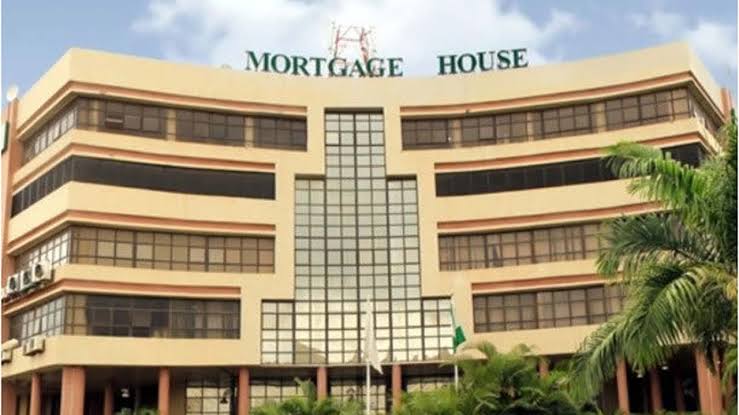

Nigeria’s mortgage market is showing strong growth, but rising housing finance has yet to translate into affordable homeownership for many Nigerians.
The Federal Mortgage Bank of Nigeria (FMBN) financed 6,911 housing units in 2025, up from 2,165 units in 2024, representing an increase of about 219 per cent. FMBN Managing Director Shehu Osidi disclosed the figures in February 2026. Project-loan disbursements also rose from ₦31.5 billion in 2024 to more than ₦79 billion in 2025, while individual National Housing Fund (NHF) mortgage disbursements increased from ₦5.9 billion to ₦8.2 billion.
The numbers point to a significant expansion in FMBN-backed housing finance. But recent developments also show that financing more homes does not automatically mean more Nigerians can afford them.
On September 1, 2026, FMBN handed over 129 completed three-bedroom bungalows at Nasarawa Technology Village in Karu, Nasarawa State, to beneficiaries under its Rent-to-Own scheme. FMBN said 651 beneficiaries had originally been profiled for the project, but 251 were left without allocations before government intervention.
The issue of access was still being addressed on September 4, 2026, when FMBN and the National Health Insurance Authority (NHIA) discussed outstanding housing allocations, future projects and NHF benefits for workers. FMBN said it was prepared to provide mortgage financing for eligible NHIA staff who secure allocations under qualifying housing projects.
FMBN’s NHF mortgage product offers eligible contributors loans of up to ₦50 million through accredited Primary Mortgage Banks. The facility is priced at 4 per cent for the mortgage banks for on-lending at 6 per cent to contributors, with a maximum repayment period of 30 years.
The challenge, however, is whether the homes available can be matched with borrowers’ incomes.
In September 2025, Adedeji Ajadi, Chief Executive Officer of the Mortgage Banking Association of Nigeria, said prevailing mortgage conditions were making homeownership largely unrealistic for Nigerians earning below ₦500,000 a month. He cited high interest rates, affordability pressures and difficulties with formal mortgage access among the factors limiting the market.
Government is expanding supply. On August 19, 2026, FMBN joined the Federal Ministry of Housing and Urban Development and the Office of the Head of the Civil Service of the Federation for the groundbreaking of a 250-unit Renewed Hope Civil Service Estate in Gwagwalada, Abuja. FMBN said the project was designed to provide affordable housing for federal civil servants, with completion expected within six months.
The bigger test for Nigeria’s mortgage boom, therefore, is not simply how many houses are financed. It is whether ordinary workers can afford the homes, qualify for the loans and eventually receive the keys.
Until those three conditions improve together, stronger mortgage figures will remain only part of the homeownership story.