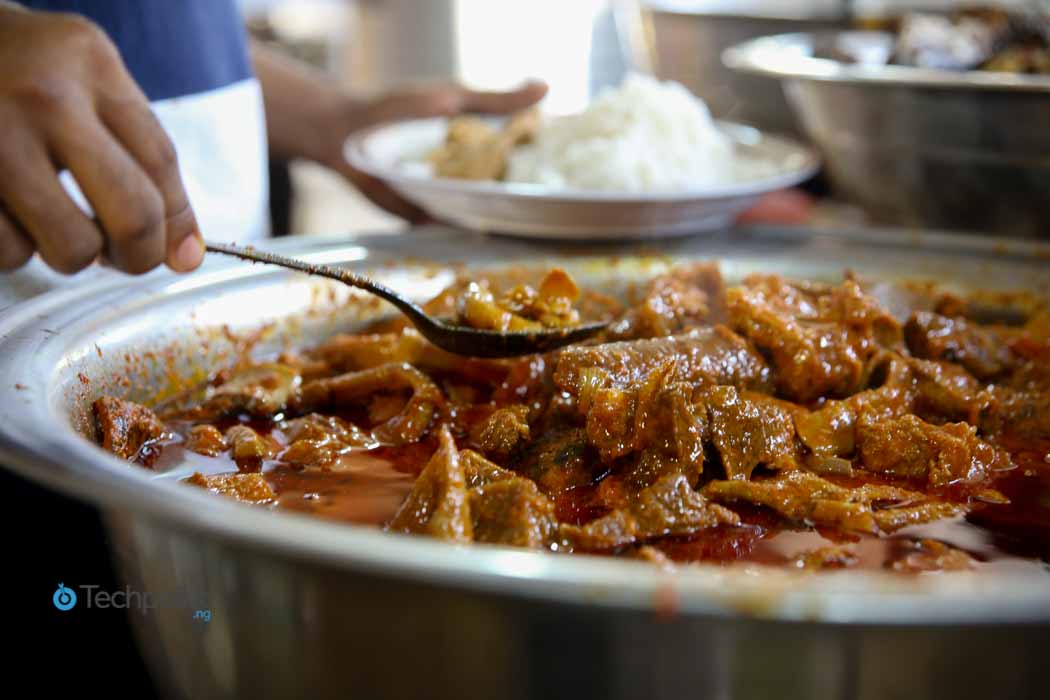

For many aspiring entrepreneurs, running a food canteen remains one of the more accessible ways to enter Nigeria’s small-business economy. The business benefits from steady demand for affordable, ready-to-eat meals, but operators face a daily struggle to balance sales, rising costs, food quality and waste.
Madam Grace, who operates a local restaurant, describes the business as viable and says she would recommend it to aspiring entrepreneurs. However, she acknowledges that daily sales can be unpredictable.“There are some times you’ll have to eat your food yourself if sales are low,” she says. “And sometimes you’ll not have anything to sell. But I still don’t record loss.”
Her experience highlights one of the biggest challenges facing food vendors: predicting how much food customers will buy each day. Preparing too little can mean losing potential sales, while preparing too much can leave the operator with unsold meals that may eventually have to be discarded.
For Diwura, another food vendor, the attraction of the business remains strong despite the challenges.“I can’t even stop selling food,” she says, pointing to the independence and regular cash flow that the trade can provide.But
But she identifies unsold food as a persistent problem. “The only shortages I get is when I don’t sell all and I have to throw away sometimes because some people can tell the food is yesterday’s.”
For small vendors operating on tight margins, such waste can significantly reduce earnings. The challenge becomes more serious when the prices of rice, cooking oil, meat, vegetables and other ingredients rise.
The broader economic environment has made the situation more difficult. Rising food prices have increased the cost of preparing meals while weakening the purchasing power of many consumers. This leaves vendors with a difficult choice: increase prices and risk losing customers, or maintain existing prices and absorb higher costs.
Some operators respond by adjusting portion sizes, changing their menus, purchasing ingredients in smaller quantities or reducing the use of more expensive ingredients.
Yet affordable food remains in strong demand. Canteens, roadside vendors and small eateries serve workers, traders, students and other Nigerians who depend on relatively inexpensive meals outside the home. This underlying demand gives the sector resilience even when consumers are under financial pressure.
For operators, however, profitability depends on more than attracting customers. It also requires careful inventory management and an ability to match food production with expected demand.
Preparing 100 portions and selling 95 may appear successful, but the five unsold portions still represent money spent on ingredients, cooking fuel and labour. Over time, repeated waste can erode otherwise healthy margins.
The experiences of Grace and Diwura show that the canteen business is neither an easy route to quick money nor an inherently unprofitable venture. It is a demanding business that rewards operators who understand their customers, control costs and minimise waste.
As Nigerians continue to seek affordable meals amid economic pressures, the opportunity remains. For food vendors, the key to turning that demand into sustainable income lies in selling enough food at the right price while ensuring as little as possible goes to waste.