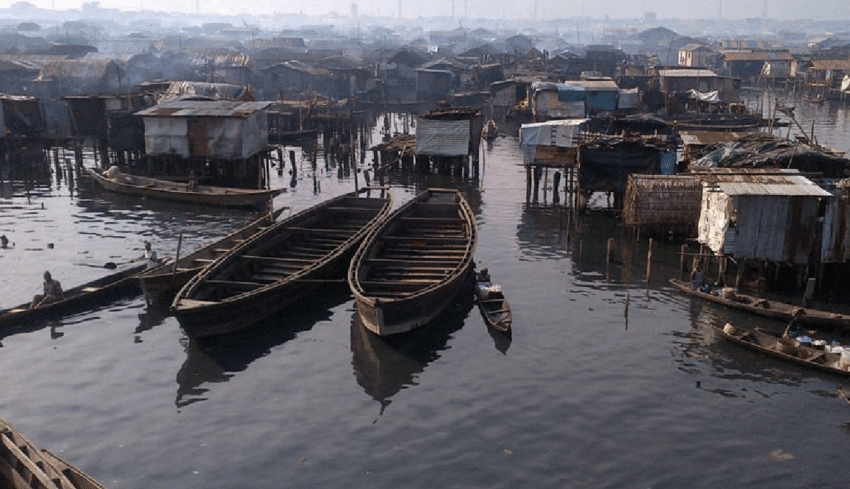

The Global Environmental Facility Small Grants Programme, in partnership with the United Nations Development Programme Nigeria (GEF/SGP/UNDP-Nigeria), the Eco-Restoration Foundation, and other local stakeholders, on Thursday commissioned a more than $60,000 integrated potable water and flood early-warning system for the densely populated, water-logged Makoko-Eegun community on the Lagos lagoon.
The intervention directly responds to a recent environmental assessment that documented severe pollution from wastewater infiltration, untreated sewage, industrial and agricultural run-off, and indiscriminate waste dumping in surrounding upland areas, all of which had rendered local water sources hazardous.
Speaking at the commissioning, GEF/SGP/UNDP-Nigeria National Coordinator Mrs Ibironke Olubamishe said the proposal stood out because of the community’s demonstrated ownership and commitment. “About six researchers conducted extensive baseline studies,” she noted. The project’s technical scope includes borehole drilling, filtration and treatment system installation, water quality testing, and training local residents on maintenance and water safety protocols. She urged beneficiaries to safeguard the infrastructure.
Beyond clean water access, the initiative embeds a commercial maintenance model. Eco-Restoration Foundation Trustee David Omaghomi explained that the community can sell surplus potable water, generating revenue to sustain the plant. “This will ameliorate challenges in an impoverished fishing settlement that accumulates debris and pollution from upland drainage,” he said. The settlement, vulnerable to sea-level rise and ocean surges, now gains both drinking water security and a flood early-alert mechanism.
Eco-Restoration Foundation Director-General Stephanie Nzeke Waniko highlighted that inadequate sanitation and domestic-industrial pollution have historically elevated health risks, especially for women and children. Meanwhile, Dr. Shelle Dada of the Nigerian Institute for Oceanography and Marine Research said the early-warning component will enable proactive responses to environmental threats, reducing flood and pollution impacts.
For Lagos, a sprawling coastal megacity where informal settlements routinely lack basic utilities, the project offers a replicable blueprint for climate-adaptive, community-financed water safety. Analysts say similar low-cost, high-impact models could attract additional UNDP and multilateral funding as West Africa intensifies flood-resilience investments ahead of the next rainy season.