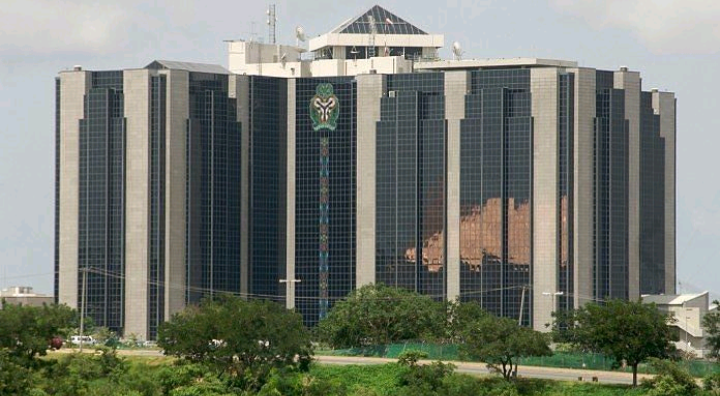

On December 11, 2025, the Central Bank of Nigeria (CBN) announced a major change to how travellers and business people access their foreign exchange allowances through Bureau De Change (BDC) operators. The move comes amid ongoing efforts to strengthen the stability of Nigeria’s foreign exchange market and improve transparency in FX transactions.
Under the new policy guidelines, beneficiaries of Personal Travel Allowance (PTA) and Business Travel Allowance (BTA) will see how much cash they can physically receive reduced to a maximum of 25 per cent of their total foreign currency entitlement from BDCs. This adjustment reflects a shift toward digital and prepaid transaction channels, limiting cash disbursements to help curb leakages and curb misuse.
The apex bank outlined the policy details in a document titled “Frequently Asked Questions on Current Reforms of the BDC Sector”, which explains how the new limits will work. It confirms the maximum foreign exchange purchases available per quarter for individuals and business travellers, while clarifying how the physical cash component will be treated going forward.
The CBN stated: “Travelers are allowed to purchase foreign currency in the form of Personal Travel Allowance (PTA) or Business Travel Allowance (BTA) only, up to $4000 or $5000 respectively, per quarter.” These allowances allow Nigerians to fund their travel and business needs abroad from approved foreign exchange windows.
Importantly, the cash payout now has a firm cap: “Travelers going abroad can use a combination of prepaid cards and cash to receive their travel allowances. A beneficiary of BTA or PTA may receive up to 25 per cent of the foreign currency in cash, while at least 75 per cent shall be transferred to the customer’s prepaid card. Please note that all travelers shall provide all required documentation to receive their travel allowances.” The emphasis here is on prepaid cards and electronic transfers, signaling the CBN’s intent to deepen non-cash foreign exchange flows and traceability.
The reforms also touch on other FX needs that Nigerians may have beyond travel. For people travelling abroad for medical care, the CBN allows access to foreign currency for related expenses up to $5,000, provided documentation is submitted as required under the guidelines.
The CBN explained that where medical costs exceed the $5,000 limit, customers should turn to commercial or non-interest banks to access additional foreign currency at prevailing terms. This provision helps ensure that essential payments beyond the threshold remain possible through formal banking channels.
Education-related needs were also addressed. The bank said that “Nigerians schooling abroad or their sponsors can obtain foreign currency from a BDC for payment of school fees to a foreign institution, subject to a maximum of $10,000 in any given year. This is subject to submission of the documents stipulated in the Guidelines.” This offers students and families clarity on how they can fund tuition and related fees from within Nigeria’s FX framework.
Overall, the directive appears to reinforce the CBN’s ongoing policy reforms for the Bureau De Change sector and FX market at large. In recent months, the FX space has seen adjustments aimed at stabilising exchange rates, improving liquidity, and narrowing the gap between official and parallel market rates, helping to curb speculative pressures on the naira.
This policy comes against a backdrop of efforts to stabilise Nigeria’s FX market, where recent data show narrowing differences between official and parallel naira exchange rates and improved FX liquidity, helping to soften pressure on the currency and support investor confidence in the foreign exchange system.