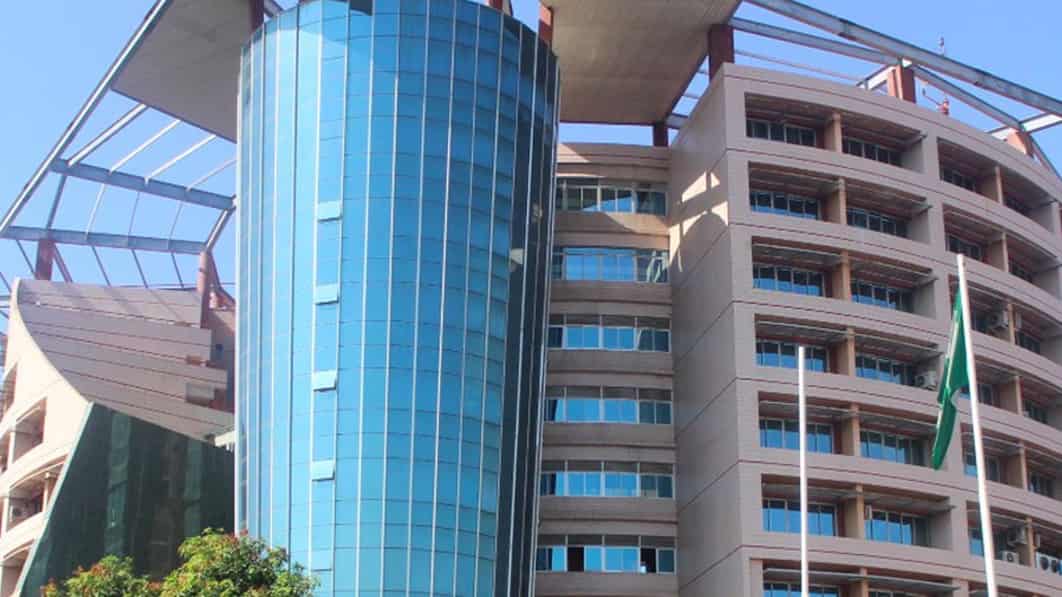

The Nigerian Communications Commission (NCC) has directed mobile network operators to compensate subscribers affected by poor service delivery, in a move aimed at strengthening consumer protection in Nigeria’s telecom sector.
In a statement issued on Sunday, the Commission’s Head of Public Affairs, Nnenna Ukoha, said affected users will receive airtime credits based on their average spending patterns and their presence in locations where service failures occur.“
Subscribers should not be made to bear the full burden of service disruptions where operators fail to meet prescribed standards of service delivery,” the statement read.
According to the NCC, telecom operators that fail to meet Quality of Service (QoS) benchmarks will be required to compensate users directly. The compensation will be calculated using data on subscribers’ usage and tied to specific Local Government Areas where network performance falls below acceptable standards.
The regulator said the directive reflects a shift toward a more consumer-focused regulatory approach, ensuring that users receive tangible relief rather than relying solely on fines imposed on operators.
Nigeria’s major telecom providers, including MTN Nigeria, Airtel Nigeria, Globacom, and 9mobile, are expected to comply with the directive.
The Commission noted that telecommunications services are critical to economic productivity, social interaction, and access to digital opportunities, warning that poor service quality undermines public confidence and disrupts business activities. In addition to targeting operators, the NCC also extended the directive to tower companies responsible for telecom infrastructure, such as masts. It mandated that fines imposed on these firms must be reinvested into measurable infrastructure improvements to boost network performance.“
The Commission will continue to reinforce the obligation of operators to invest consistently in network resilience, capacity expansion, and infrastructure upgrades,” it said.
The directive comes amid growing dissatisfaction among Nigerian subscribers over frequent call drops, slow internet speeds, network congestion, and billing issues. Recent data shows that poor network quality remains one of the most common complaints among telecom users nationwide.
The NCC had earlier imposed fines totalling about ₦12.4 billion on operators for persistent service failures, as regulators intensify efforts to enforce compliance with industry standards.
Industry analysts attribute the decline in service quality to infrastructure gaps, unreliable power supply, and interference from illegal signal boosters.
The latest move is widely seen as a response to mounting public pressure, signalling a shift toward policies that hold operators more accountable while directly compensating consumers for poor service experiences.