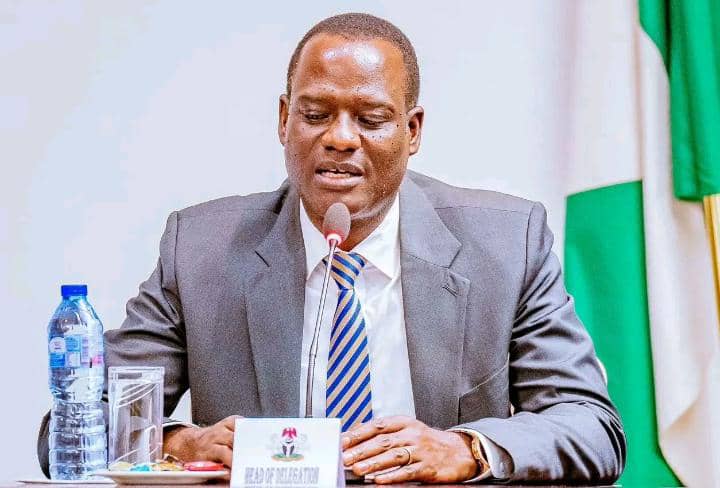

Despite a sharp uptick in revenues and reforms at the sub-national level, poverty remains a stubborn problem in Nigeria. Taiwo Oyedele, Chairman of the Presidential Fiscal Policy and Tax Reforms Committee, spelled out in Abuja during the launch of the BudgIT “2025 State of States” report: “States are receiving more money than ever before. But there is a paradox: while governments have more naira, ordinary Nigerians have less disposable income in their pockets.”
Combined state revenues jumped to ₦17.17 trillion in 2024, up from ₦8.66 trillion in 2023. Equally striking, federal allocations via FAAC grew from ₦5.4 trillion to ₦11.38 trillion in the same period. Yet despite the inflow, the translation into real-world impact has been weak.
Oyedele noted that many states are still heavily reliant on transfers. 31 states got at least 80 % of their recurrent revenue from federal sources. In other words, rather than building a broad-based revenue base, dependence on transfers deepened. He commented, “In other words, FAAC dependency has deepened.”
He illustrated how the surge in expenditure hasn’t necessarily delivered results. He said, “Expenditure rose sharply last year, almost N16 trillion… But when we dig deeper, a curious picture emerges. States implemented only two-thirds of their education budgets, spending less than N7,000 per citizen. In health, implementation was even lower at 62 per cent amounting to just N3,500 per citizen.” The implication is that more money flowing doesn’t guarantee better outcomes unless priorities shift toward spending on people.
On debt and fiscal discipline there were glimmers of hope. Domestic debt fell by ₦2 trillion and foreign debt by US$200 million. Yet some states still carry high per-citizen debt burdens of over ₦100,000, and arrears to pensioners, contractors and workers still exceed ₦1.2 trillion collectively. Oyedele stressed the key: “Borrowing is desirable when it creates infrastructures, jobs, and opportunities.”
Looking ahead, Oyedele urged states to deep-dive into revenue reform: “First, we need to rethink our fiscal federalism and deepen revenue reform. States must harmonise taxes… digitise collection, and invest in the informal economy, not seeking to extract tax from vulnerable citizens.” With upcoming reforms, states’ share of VAT revenue will increase to 55 % in 2026, which is projected at about ₦4 trillion. The question remains: will these extra funds be channelled into shared prosperity or dissipate into status-quo spending?
The monetary surge to Nigeria’s states raises macroeconomic prospects, but weak translation into demand-side uplift means real growth remains elusive. Without targeted investment in human capital and industry, increased revenue risks fueling inflation or debt, rather than creating productivity, income growth and low-income resilience.