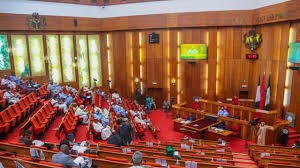

As Nigeria’s National Assembly resumes plenary after the Eid break, lawmakers return to a crowded agenda dominated by the 2026 budget, state police reforms, and shifting political alliances that could reshape the legislative landscape ahead of the 2027 elections. The top priority remains the passage of the 2026 Appropriation Bill, which has been delayed by extensive budget defence sessions with Ministries, Departments, and Agencies.
With most reviews now completed, legislators are expected to fast-track approval to maintain the January–December fiscal cycle amid mounting economic pressures. The budget’s timely passage is critical for government operations and the implementation of capital projects, particularly as the administration pursues infrastructure development and social investment programmes under the Renewed Hope agenda.
Debate over state policing is also set to intensify, with backing from President Bola Tinubu and gaining traction in constitutional review efforts. Lawmakers, including Senate Leader Opeyemi Bamidele, have indicated that proposals will emphasise accountability mechanisms and safeguards against political abuse. Proponents argue that state-level policing could improve response times to security threats and enhance coordination with local communities, while opponents raise concerns about potential misuse by state governors.
The constitutional amendments required to establish state police systems will require broad legislative consensus and subsequent ratification by state assemblies, making the coming months critical for shaping the framework. The National Assembly’s handling of this issue will be closely watched by security analysts, civil society organisations, and international partners who have called for reforms to Nigeria’s policing architecture.
Meanwhile, rising defections across party lines ahead of the 2027 elections are reshaping the legislature, raising concerns about weakened opposition and policy consistency. The political realignments could affect the legislative agenda, as coalition dynamics shift and bipartisan cooperation becomes more difficult to sustain on contentious issues.
With insecurity and economic reforms remaining in focus, the coming weeks are expected to test both legislative urgency and political consensus. Lawmakers must balance the demands of expeditious budget approval with thorough scrutiny of proposed reforms, all within a politically charged environment shaped by electoral calculations.