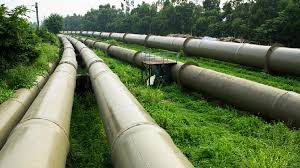

A fresh dispute over Nigeria’s multi-billion-dollar pipeline surveillance contracts has erupted, with Abili Integrated Services accusing Tantita Security Services of making false claims and sponsoring sabotage to discredit competitors. At a press conference in Port Harcourt on 20 April, Abili’s managing director, Brown Edoghotu, said his company was wrongly portrayed during a recent National Assembly hearing on pipeline security.
The controversy follows a roundtable convened by the National Assembly Joint Committee on Petroleum Resources on 8 April, where Tantita reportedly alleged that other contractors were complicit in pipeline vandalism. Edoghotu rejected the allegation, describing it as “false, misleading and damaging.” He said a video presented at the hearing showing a man at a vandalised pipeline site was misinterpreted, adding that his presence at the scene was in the course of duty following a reported incident, where his team visited alongside representatives of Nigerian Agip Oil Company, security agencies, and civil defence personnel to assess damage.
Edoghotu further alleged that individuals responsible for the vandalism were linked to Tantita Security, owned by Government Ekpemupolo, popularly known as Tompolo. He claimed that some suspects were arrested and handed over to authorities, naming four individuals he alleged were workers of the rival firm involved in pipeline sabotage and illegal bunkering operations in the Niger Delta. “These same individuals were behind an illegal bunkering camp which our Quick Response Team tracked and destroyed,” he said.
Edoghotu also challenged claims reportedly made by Tantita about discovering massive illegal crude oil reservoirs in areas under his company’s coverage. According to him, the figures cited were exaggerated and physically implausible. “An Olympic-size swimming pool holds about 16,000 barrels of oil. Five of such pools would amount to 80,000 barrels. That scale of storage cannot go unnoticed,” he said, calling for independent verification. He also questioned Tantita’s effectiveness in areas under its supervision, citing continued production losses in swamp and offshore terrains such as Brass and Escravos, where he claimed operators were producing below 30 per cent of capacity. In contrast, he said areas under Abili’s responsibility had achieved up to 96 per cent production levels.
When contacted, Tantita’s director of operations, Warrendi Enisuo, said the company had already presented evidence to support its claims at the National Assembly. “Everyone is entitled to his or her opinion,” he said. Pipeline vandalism and crude oil theft remain major challenges in Nigeria’s oil industry, costing the country billions of dollars annually in lost revenue and environmental damage. In 2022, the federal government awarded large-scale pipeline surveillance contracts to private firms, including Tantita, in a bid to curb theft and boost production. The contracts have since drawn scrutiny, with stakeholders raising concerns about transparency and accountability.