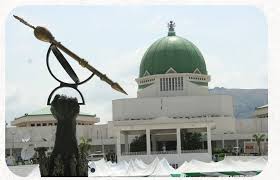

Nigeria’s National Assembly has approved President Bola Tinubu’s request to borrow ₦1.15 trillion to finance part of the country’s 2025 budget deficit. The decision, reached after deliberations in both the Senate and the House of Representatives on Wednesday, reflects the government’s continued reliance on debt to plug fiscal gaps amid slow revenue growth and rising public expenditure.
In a letter dated 4 November 2025, President Tinubu informed lawmakers that the borrowing became necessary after the legislature raised the total budget size to ₦59.9 trillion from the ₦54.74 trillion initially proposed by the executive. This adjustment, largely driven by additional sectoral allocations and constituency projects, expanded the fiscal deficit to an estimated ₦14 trillion, forcing the government to seek new domestic loans to bridge the shortfall.
The Senate Committee on Local and Foreign Debts, chaired by Senator Haruna Manu, recommended the approval, emphasising that the borrowing must be executed transparently and in line with Nigeria’s fiscal responsibility framework. The committee also urged the Ministry of Finance and the Debt Management Office (DMO) to ensure the funds are used strictly for productive projects and to submit quarterly reports on disbursement, utilisation, and repayment plans.
During the debate, some senators expressed concern about the country’s growing debt profile, warning that continuous borrowing without commensurate growth in revenue could erode fiscal stability. Others, however, argued that the current economic realities left the government with limited options, especially given the need to fund critical infrastructure, social welfare programmes, and defence spending.
Mounting Fiscal Pressure
Nigeria’s debt profile has been a persistent concern. As of mid-2025, the country’s total public debt stood at over ₦110 trillion, according to the DMO. While the government insists that the debt-to-GDP ratio remains within sustainable limits, analysts have warned that the rising cost of servicing these obligations poses a greater risk. Debt servicing consumed roughly 73% of federal revenue in 2024, leaving limited room for developmental spending.
The approval of an additional ₦1.15 trillion in borrowing adds to the pressure on Nigeria’s domestic debt market, where competition between government and private borrowers often drives up interest rates. Economists also warn that continued deficit financing through borrowing could crowd out private investment, slow economic diversification, and heighten inflationary pressures.
Economic Implications
The government’s rationale for the new borrowing centres on stimulating economic activity through sustained public spending, particularly on infrastructure, energy, and agriculture. Proponents argue that if properly managed, the funds could support the administration’s plans to achieve higher GDP growth, reduce unemployment, and enhance revenue mobilisation through expanded tax collection.
However, sceptics point to structural inefficiencies that have historically undermined the impact of public borrowing. With inflation hovering around 18% and the naira still under pressure despite foreign exchange reforms, there are concerns that the benefits of increased spending may be eroded by macroeconomic instability.
Moreover, Nigeria’s credit rating outlook remains fragile. International agencies have highlighted fiscal indiscipline, poor revenue collection, and high borrowing costs as key vulnerabilities. The new loan could raise questions about the government’s commitment to its medium-term debt strategy, which aims to reduce domestic borrowing in favour of concessional external financing.
Calls for Greater Accountability
Lawmakers have insisted that transparency in loan utilisation is crucial to rebuilding public trust. The Senate directed the Ministry of Finance to publish details of projects financed by the borrowing and to prioritise sectors that can yield economic returns, such as transport, power, and manufacturing.
Civil society organisations have also urged the government to pair its borrowing drive with reforms that improve efficiency in public spending. “Nigeria cannot continue to borrow to pay recurrent expenses,” said an Abuja-based fiscal analyst. “The key issue is not borrowing per se but ensuring that each loan leads to measurable improvements in productivity and public welfare.”
Balancing Growth and Debt Sustainability
President Tinubu’s administration has pledged to balance growth ambitions with debt sustainability. The 2025 budget, themed “Sustaining Reforms for Inclusive Growth”, prioritises infrastructure development, job creation, and social investment. Yet the government’s capacity to deliver on these promises will depend heavily on fiscal discipline and improved revenue mobilisation, especially through non-oil sectors and digital taxation.
With the National Assembly’s approval, the Ministry of Finance is expected to issue new domestic bonds in the coming weeks. Market analysts anticipate strong demand from banks and pension funds, though yields may rise slightly as investors price in higher sovereign risk.
While the borrowing approval may provide short-term fiscal relief, it underscores Nigeria’s broader economic dilemma: balancing the urgent need for development financing with the imperative of maintaining long-term debt sustainability.