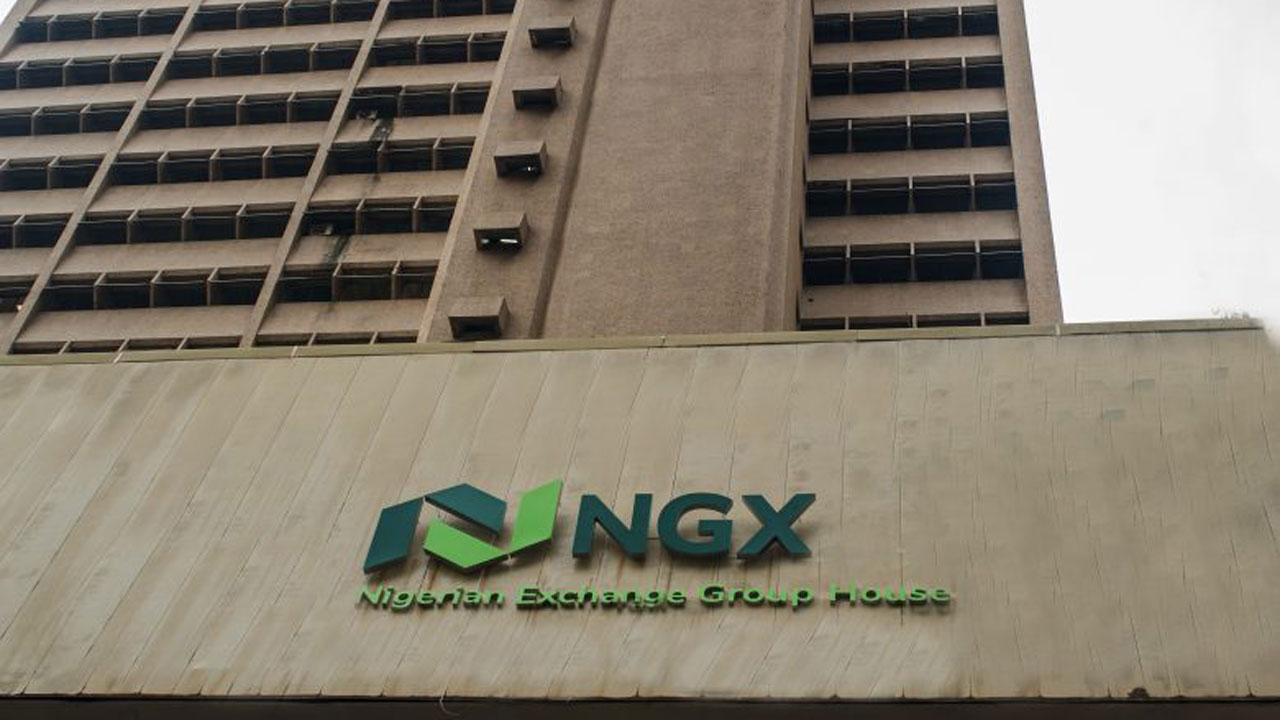

Nigeria’s naira strengthened over the past week, closing at ₦1,346.49 per dollar at the Nigerian Foreign Exchange Market (NFEM), while headline inflation slowed further in July. The combination offers fresh evidence of improving macroeconomic stability, although rising food prices remain a major concern for households and businesses.
The naira gained ₦11.12, or 0.83%, against the dollar during the week, improving from ₦1,357.61 recorded a week earlier. Market data also showed increased activity at the official foreign exchange window, with weekly turnover rising sharply.
The currency’s recent performance has strengthened expectations that improved foreign-exchange liquidity and reforms in the FX market are helping reduce pressure on the naira. The currency has also traded within a relatively narrow range in recent sessions, supporting greater certainty for businesses with dollar-linked costs.
Inflation provided another positive signal. Nigeria’s headline inflation rate fell to 15.43% in July from 15.91% in June, marking a second consecutive monthly decline. Core inflation also eased to 14.97%, according to data reported from the latest consumer price figures.
But the inflation picture remains mixed.
Food inflation, one of the biggest pressures on household budgets, accelerated to 20.31% in July from 17.52% in June. That means the decline in headline inflation has not yet translated into broad-based relief at the food market.
Meanwhile, Nigeria’s external reserves have continued to strengthen. The reserves surpassed $52.5 billion in July, reaching their highest level since 2009, according to data attributed to the Central Bank of Nigeria.
The improving foreign-exchange position and stronger naira could give businesses more room to plan imports, inventory purchases and capital projects. But the durability of the trend will depend on continued dollar liquidity, oil receipts, inflation dynamics and demand for foreign exchange.
For businesses, the message is therefore one of cautious optimism. A firmer naira improves visibility around imported inputs and project costs, but persistent food inflation shows that Nigeria’s broader price pressures have not disappeared.
The coming months will test whether the recent stability is becoming a durable trend or merely a temporary window of relief.