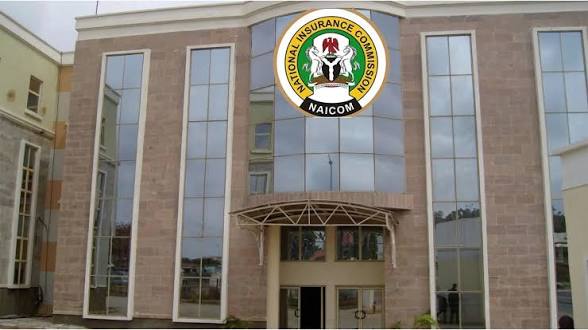

The National Insurance Commission (NAICOM) has pledged regulatory support for the Lagos State Building Insurance Scheme (LASBIS), while cautioning against any implementation model that limits competition or restricts consumer choice.
Speaking at the official launch of the scheme in Victoria Island, Lagos, the Commissioner for Insurance, Mr. Olusegun Omosehin, represented by the Deputy Commissioner for Insurance (Finance and Administration), Mr. Ekerete Ola Gam-Ikon, described LASBIS as a significant step toward strengthening compliance with compulsory building insurance and improving public confidence in the insurance industry.
Omosehin said NAICOM would ensure that all insurance policies issued under the scheme are underwritten by companies licensed by the Commission. He also pledged the regulator’s support in tackling fake insurance certificates and the activities of unlicensed operators.
He stressed that the scheme must remain open to all qualified insurers, warning that any arrangement that creates an unfair monopoly or excludes duly licensed operators would undermine competition and consumer confidence.
“The scheme must be open, transparent, competitive and accessible to all insurance operators duly licensed by NAICOM,” he said, adding that public trust in insurance ultimately depends on the prompt settlement of legitimate claims.
The Commissioner noted that Lagos State’s initiative leverages technology to improve compliance by integrating with relevant government systems for building approvals and property administration.
He also highlighted the financial and social impact of building failures, saying compulsory building insurance provides an important safety net for property owners, occupants and third parties affected by such incidents.
Omosehin said the initiative supports the implementation of Nigeria’s compulsory building insurance requirements, which are provided for under the country’s insurance legal framework. He described LASBIS as a practical effort to improve enforcement of those provisions at the state level.
Chairman of the Nigerian Insurers Association (NIA), Mrs. Ebelechukwu Nwachukwu, welcomed the initiative, describing insurance as a critical tool for protecting lives, property and investments while promoting safer communities.
She urged property owners, developers and other stakeholders to embrace the scheme, noting that wider insurance coverage would strengthen financial resilience against unforeseen losses.
Omosehin also challenged participating insurers to uphold high service standards, warning that delayed claims settlement could erode public confidence in the initiative.
He expressed optimism that the Lagos model could encourage broader adoption of compulsory building insurance across Nigeria, helping deepen insurance penetration while strengthening risk management in the country’s built environment.