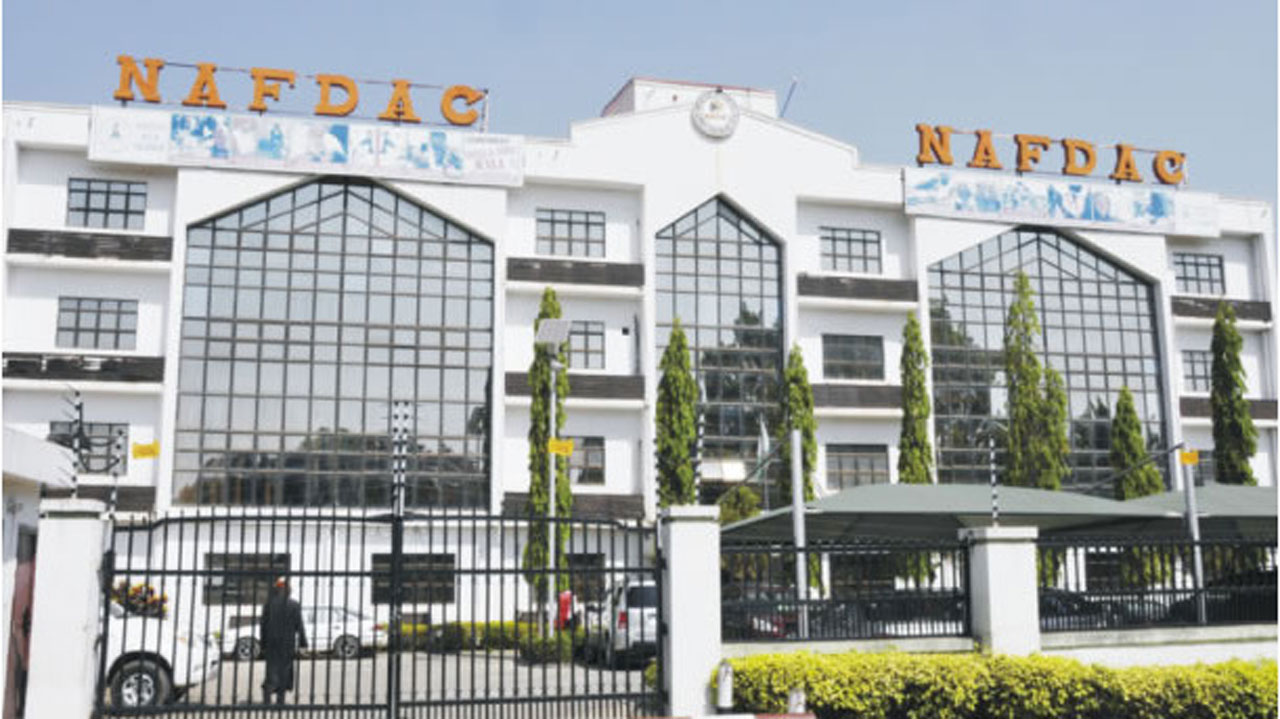

Nigeria’s counterfeit goods crisis is taking a more dangerous turn as criminal networks increasingly shift from importing fake products into the country to manufacturing and distributing them locally. The National Agency for Food and Drug Administration and Control (NAFDAC) warned in September 2026 that foreign criminal syndicates, including Chinese operatives, have established illicit manufacturing plants and logistics networks within Nigeria, making fake products significantly harder to detect and trace.
Martins Iluyomade, NAFDAC’s Director of Investigation and Enforcement, told The PUNCH that counterfeiters now identify fast-moving consumer products, replicate them, and distribute them through localized supply networks they control. This operational pivot means fake goods no longer need to clear international borders or customs before reaching Nigerian consumers, adding a complex layer to a problem already costing lives, legitimate businesses, and the wider economy heavily.
For consumers, Nigeria’s prolonged economic pressure on household purchasing power has made low prices increasingly attractive. This opens a profitable window for illicit traders, particularly when buyers cannot easily distinguish fake or substandard items from genuine goods. The public health consequences are severe, especially where counterfeit medicines, adulterated food, fake beverages, and substandard cosmetics are involved. Recent enforcement operations have uncovered counterfeit pharmaceuticals, fake alcoholic drinks, unapproved bottled water, and other non-compliant consumables across several states.
Beyond public health, the economic fallout is crippling. Legitimate manufacturers whose brands are copied suffer severe revenue losses and diminished market share, while substandard lookalikes destroy long-term consumer trust in reputable brands.
In response, NAFDAC reported securing 64 convictions against counterfeiters between June 2025 and June 2026, its highest annual tally on record, with offenders receiving prison terms ranging from one to seven years without the option of a fine. Coordinated raids conducted between February and March 2025 across key commercial hubs in Lagos, Onitsha, and Aba resulted in the seizure and destruction of over 137 truckloads of fake products valued at more than ₦1.5 trillion.
Among the prominent cases uncovered were illegally refilled branded 19-litre water bottles. Three companies were caught collecting empty bottles bearing the identity of a registered water brand, refilling them with water from unapproved sources, and supplying them to hotels and supermarkets
Furthermore, nationwide surveillance between May and July 2026 covered all 36 states and the Federal Capital Territory, visiting 6,233 facilities and removing 7,210 illicit products from circulation, including 3,633 food and water items and 2,459 pharmaceuticals and herbal remedies.
To bolster its response, the agency is leveraging intelligence gathering, market surveillance, and direct collaboration with trade associations to pinpoint illegal operations inside local communities. However, experts note that enforcement alone cannot solve the crisis. Weak consumer awareness, porous supply chains, economic distress, and the rapid adaptability of criminal networks continue to fuel the trade.
For Nigeria’s legitimate market, the battle against counterfeit goods is no longer about intercepting shipments at the border, it is about dismantling illegal production lines within the country’s borders before products reach store shelves.