
Nigeria is once again facing reduced electricity output across the country as gas supply shortages hit several power generation companies (GenCos), forcing many plants to cut back or halt production. The disruptions have plunged the national grid into lower available generation, leaving homes and businesses with erratic power and heightened economic stress.
In recent days, the country’s power output has declined noticeably, with experts and grid operators pointing to constraints in gas supplies as the main driver behind the drop in electricity generation. The issue has become so severe that national grid officials and industry stakeholders have warned of continued volatility in available power until gas supply problems are addressed.
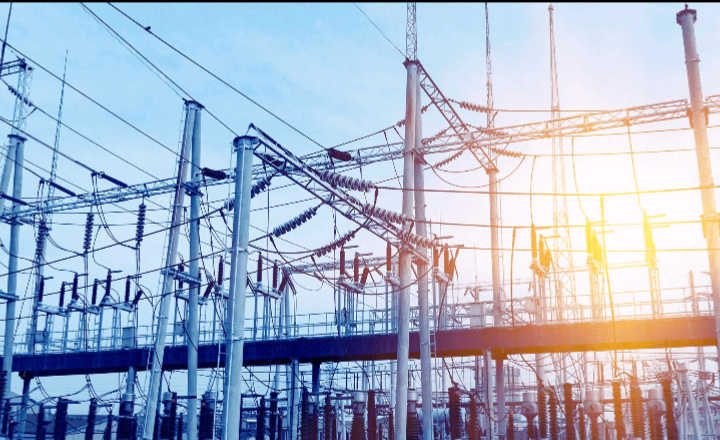
Industry insiders say that most thermal power stations, which rely heavily on natural gas to run turbines are operating below capacity because they do not have the steady supply of gas needed to sustain reliable generation. This has forced some plants to reduce operations or rely on emergency measures to keep parts of the grid from collapsing entirely.
Despite Nigeria’s vast gas reserves, systemic challenges in extraction, processing, and transportation have long plagued the sector. According to reports, inefficiencies in gas infrastructure and delivery have contributed to widespread power limitations in the past with gas shortages historically accounting for a large share of generation shortfalls.
Officials from power system operations have worked to counteract the slide in available generation, at times increasing output from hydropower stations and adopting real-time load balancing techniques to stabilize the grid. However, these are seen as temporary stopgaps rather than lasting solutions.
Nigeria’s dependence on gas-fired plants means that when gas deliveries falter through pipeline issues, production shortfalls, or other supply chain disruptions, electricity supply is immediately affected. This is particularly true in a system where thermal plants account for the majority of generation capacity.
The impact is felt nationwide, with many households experiencing more frequent power cuts and longer periods without reliable electricity. Small and medium-sized businesses, especially those without backup generators are also facing heightened costs and operational disruptions.
In response to the worsening situation, grid operators have reiterated the importance of fixing gas supply problems, modernizing infrastructure, and improving coordination between gas producers and electricity generators to ensure smoother delivery of fuel to power plants.
Industry observers argue that without meaningful reforms and investments in gas infrastructure, including pipelines, processing facilities, and commercial arrangements, the pattern of supply shortages and power outages will continue, undermining efforts to boost electricity access and economic growth.
Some power market analysts point to the broader structural issues that have compounded the crisis over time from underinvestment in maintenance to slow implementation of reforms, and disputes within the energy sector that can ripple through gas supply chains.
Nigeria’s power disruptions are not just technical, they have clear economic costs. Unstable electricity supply has been linked to annual losses amounting to billions of dollars as industries lose productivity, and companies spend more on backup power, reducing competitiveness and deterring investment in key sectors of the economy.