
A disturbing new alarm has been raised as National Agency for Food and Drug Administration and Control (NAFDAC) reports that over half of Nigerian children are consuming alcohol, exposing a growing public health and social crisis. The revelation has sparked urgent calls for stronger regulation, parental responsibility, and nationwide awareness to protect the nation’s youth.
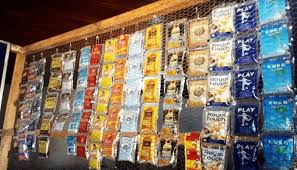
The study, conducted in collaboration with the Distillers and Blenders Association of Nigeria (DIBAN), paints a troubling picture of how easily minors are accessing alcohol. According to the findings, approximately 54.3 percent of respondents below the age of 18 reported buying alcohol for themselves, often in tiny, inexpensive sachets and small plastic (PET) bottles that are cheap, widely available, and easy to conceal.
Researchers gathered data between June and August 2021 from 1,788 participants across six states representing Nigeria’s six geopolitical zones, supplemented by focus group discussions and in-depth interviews with 161 individuals.
NAFDAC’s Director-General, Prof. Mojisola Christianah Adeyeye, described the results as deeply disturbing and urged urgent interventions from regulators, parents, educators, religious leaders, and broader communities. She warned that the ease with which children obtain alcohol especially in small, easily hidden packages indicates systemic lapses in enforcement and social responsibility.
The survey uncovered multiple pathways through which minors access alcohol. About 49.9 percent of underage drinkers reported receiving alcohol from friends or relatives, while 45.9 percent obtained drinks at social gatherings. In some cases, children even sourced alcohol from their parents’ homes. Sites in Rivers, Lagos, and Kaduna states showed particularly high rates of minors procuring sachet and small-bottle alcohol.
Consumption patterns also alarmed researchers. While many reported occasional use, a significant proportion of young respondents admitted to frequent drinking including cases of daily consumption. Experts say these patterns are especially dangerous, with long-term alcohol exposure linked to addiction, impaired neurological development, risky behaviour, and other serious health and social consequences.
Prof. Adeyeye stressed that restricting access to small packaging formats could be a crucial step in reducing underage drinking. She reiterated calls for stricter regulation of alcohol production and retail practices, including limiting or banning the sale of alcoholic products in sachets and bottles smaller than 200 ml formats she described as particularly vulnerable to misuse by children.
However, she emphasised that regulation alone will not solve the problem. Addressing underage alcohol consumption, she said, requires collective action involving families, schools, religious institutions, community groups, and law-enforcement agencies. Parents and caregivers, in particular, were urged to be vigilant about the social environments of their children and to model responsible behaviour.
The findings come amid ongoing national debate over the enforcement of bans on alcohol sachets and very small bottles, policies that have attracted both public health support and industry pushback. Critics argue that packaging restrictions could have economic impacts, while health advocates maintain that the protection of children must be paramount.
As Nigeria grapples with this unfolding public health dilemma, NAFDAC says it will continue to work with partners across government and civil society to safeguard the wellbeing of children and to curb underage alcohol abuse.