


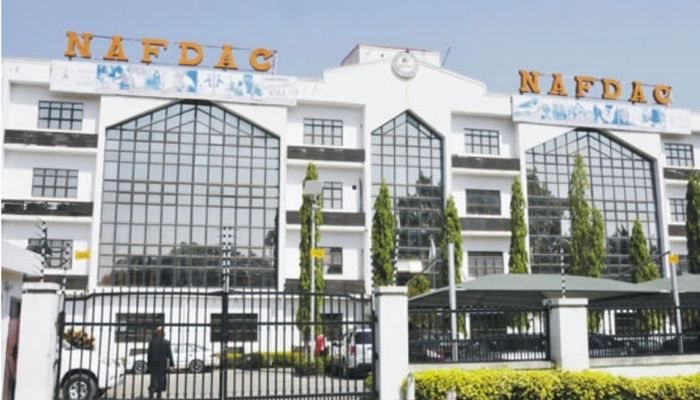

The National Agency for Food and Drug Administration and Control (NAFDAC) has issued a formal alert to Nigerians regarding the presence of falsified tablets of Dostinex 0.5 mg in the country’s pharmaceutical supply chain. The regulatory warning follows confirmation from the recognised marketing authorisation holder, Pfizer Nigeria Ltd, that counterfeit and parallel imported versions of the product were found in circulation even though the legitimately registered version has not yet been officially imported into Nigeria.
In its public notice, NAFDAC identified three specific batches of the Dostinex product that are circulating without valid regulatory approval. The affected batch numbers are GG3470, LG8659, and GG2440, with expiry dates of June 2027, January 2026, and April 2026 respectively. These tablets were found in the Nigerian market without any NAFDAC registration number, indicating they are unregistered and unverified.
NAFDAC’s intervention is grounded in its statutory mandate to ensure that all medicines distributed within Nigeria meet regulatory standards of safety, quality, and efficacy. The presence of falsified and unregistered medicines in the supply chain undermines these standards and poses significant risks to public health. Unverified products may be substandard, degraded, contaminated, or contain incorrect dosages, exposing patients to treatment failure or harmful side effects.
In its alert, the agency reiterated the importance of regulatory compliance and stakeholder vigilance. “Pfizer Nigeria Ltd, the Marketing Authorization Holder (MAH) of the products, has confirmed the presence of falsified and parallel unregistered imported versions of these products. According to Pfizer Nigeria Ltd, the legitimate product has been registered but has not yet been imported into Nigeria.” The regulatory body emphasised that medicines must only be obtained from authorised and licensed suppliers to safeguard the integrity of treatment and patient outcomes.
NAFDAC also highlighted the broader implications of falsified drug distribution. “Falsified, unlicensed, or unregistered medicines have not been evaluated by the agency, meaning their quality, safety, and effectiveness cannot be guaranteed.” This statement reflects an understanding that the mere appearance of legitimacy, such as branding or claimed manufacturing source, does not confer assurance of quality in the absence of regulatory assessment and approval.
To address the immediate threat, the agency has directed all its zonal directors and state coordinators to intensify surveillance, identify the unregistered products, and remove them from the market wherever they are found. Distributors, retailers, healthcare providers, and caregivers are urged to exercise caution, verify product authenticity, and report suspicious medicines.
Healthcare facilities have been instructed to review existing stock of Dostinex and related products, and to report any suspected falsified or compromised items to the nearest NAFDAC office. Reports can be submitted through the agency’s toll‑free hotline, designated email channels, or its electronic reporting platforms. Patients and professionals are also encouraged to report adverse events or unexpected drug reactions.
This alert on counterfeited Dostinex is part of an ongoing regulatory effort to curb the proliferation of fake and unsafe medical products in Nigeria. It underscores the critical role of stringent supply chain oversight and collaboration among regulators, healthcare professionals, and consumers in ensuring that only safe, authorised medicines reach patients.


