
MTN Nigeria has grown from a new entrant in the telecommunications industry to the country’s largest telecom company, serving millions of customers and playing a major role in Nigeria’s digital economy.
When Nigeria liberalized its telecom sector in 2001, mobile phone ownership was still limited. MTN Nigeria became one of the first companies to obtain a Global System for Mobile Communications (GSM) licence, opening the door for affordable mobile communication across the country. The company invested heavily in network infrastructure, allowing millions of Nigerians to own mobile phones for the first time.
Over the years, MTN expanded its coverage beyond major cities into rural communities. This nationwide presence helped the company attract customers from different parts of the country, making its network one of the most widely available in Nigeria.
Another factor behind MTN’s success has been its consistent investment in technology. The company upgraded its network from 2G to 3G, later introducing 4G services and expanding 5G coverage in many locations. These investments have improved internet speeds, making it easier for individuals and businesses to access digital services.
The rapid growth of smartphones also worked in MTN’s favour. As more Nigerians began using mobile devices for banking, online shopping, education, entertainment, and remote work, demand for reliable internet services increased. MTN responded by expanding its broadband capacity and introducing data plans that cater to different customer needs.
The company has also diversified its business beyond voice calls. Today, data services contribute a significant share of MTN Nigeria’s revenue. Digital products, enterprise solutions, cloud services, and financial technology offerings have become important growth areas for the telecom giant.
One of MTN Nigeria’s biggest achievements has been its role in promoting financial inclusion. Through mobile financial services, many Nigerians who previously had limited access to traditional banking have been able to carry out digital transactions more easily. This has supported the country’s growing cashless economy.
MTN has also invested in supporting businesses. Small and medium-sized enterprises (SMEs) rely on its internet and communication solutions to reach customers, manage operations, and conduct online transactions. Large corporations also depend on MTN’s enterprise services for connectivity and digital transformation.
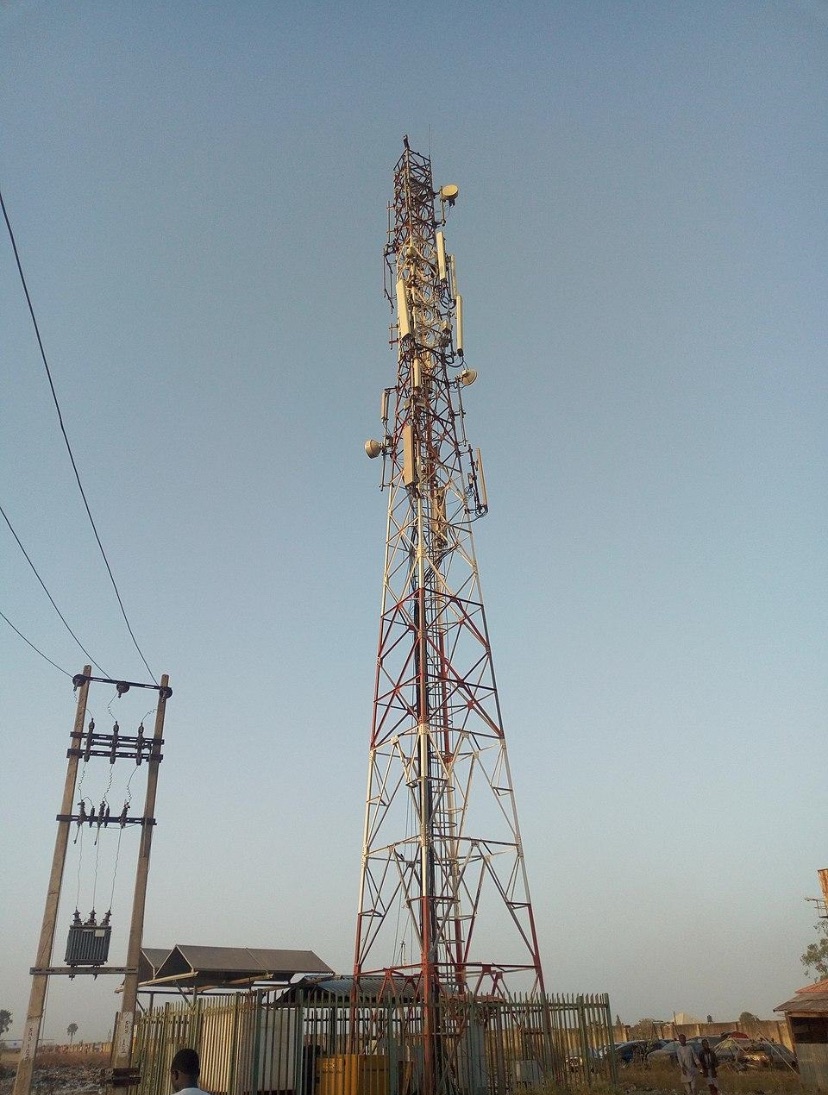
The company has consistently invested billions of naira in expanding its network infrastructure, including fibre-optic cables, transmission equipment, and new base stations. These investments have strengthened network quality and helped meet the growing demand for voice and data services.
Despite facing challenges such as foreign exchange volatility, rising operating costs, regulatory changes, and infrastructure vandalism, MTN Nigeria has continued to grow its subscriber base and revenue. The company’s ability to adapt to changing market conditions has strengthened its position as the country’s leading telecom operator.
Its listing on the Nigerian Exchange also increased public participation in the company, allowing local and institutional investors to own shares in one of Nigeria’s biggest telecommunications firms.
Industry experts believe MTN Nigeria’s continued focus on digital innovation, network expansion, fintech services, and customer experience will remain key to its future growth. As Nigeria’s digital economy continues to expand, the telecom company is expected to remain at the forefront of connecting millions of people and businesses.
With decades of investment, technological innovation, and nationwide expansion, MTN Nigeria has transformed from a mobile network operator into a critical driver of economic growth, digital inclusion, and business development across the country.