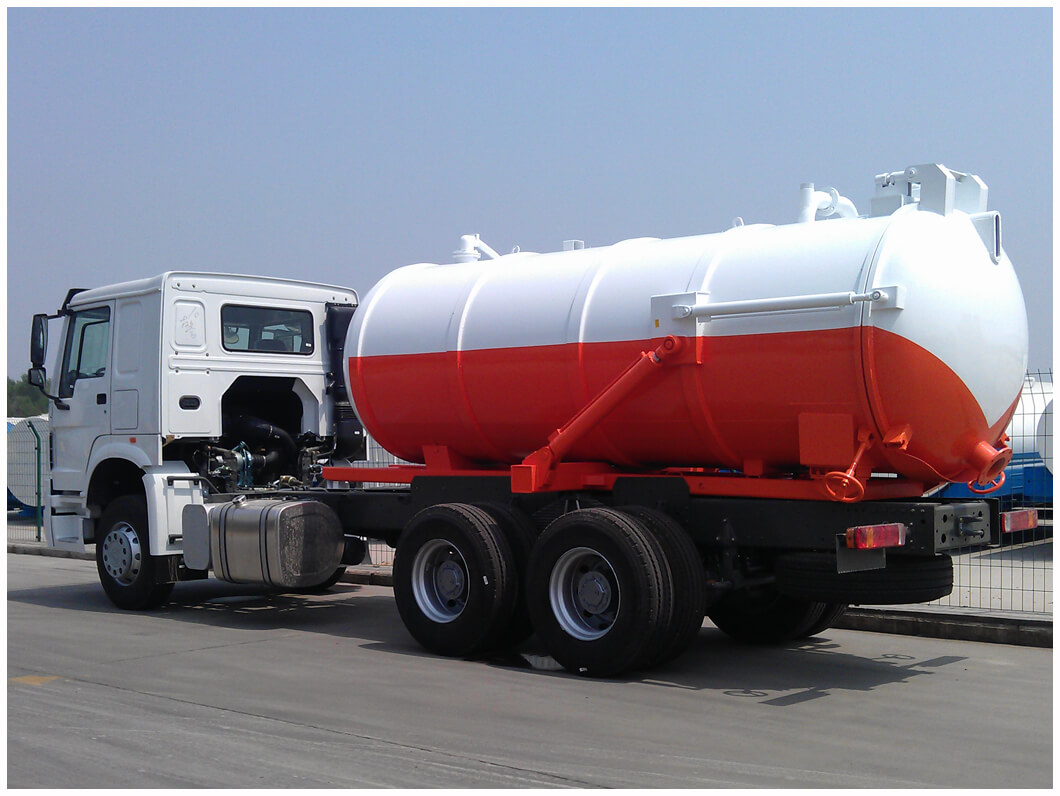

Beneath almost every Nigerian compound sits a business opportunity few people would openly discuss. Across much of urban Nigeria, households and businesses depend on on-site sanitation systems such as septic tanks and pit latrines because conventional sewer networks remain limited. The result is a quiet but essential industry built around emptying, transporting and disposing of human waste.
When a septic tank fills, there is only one practical option: call a vacuum tanker.
That necessity has created a durable cash business. Tanker operators provide a service that households cannot indefinitely avoid, with customers typically paying per evacuation. Prices vary according to tank size, location, accessibility, fuel costs and the distance to an authorised disposal facility. For operators with working equipment and a steady stream of referrals, the attraction is obvious: recurring demand and payment for each completed job.
The business, however, is bigger than the tanker that arrives at the gate.
The World Bank describes fecal-sludge management as a chain covering containment, emptying, transport, treatment and final disposal. Where any link fails, sanitation can become an environmental and public-health problem rather than simply a household maintenance issue.
Nigeria’s challenge is particularly visible in its fast-growing cities. In Port Harcourt, for example, the World Bank found that piped sewer systems were essentially absent and that, alongside established vacuum-tanker services, informal disposal practices had historically included dumping untreated sludge at sites around the city and into waterways. The consequences include risks to groundwater and other drinking-water sources.
Lagos illustrates both the scale of the problem and the opportunity. The state has a dedicated Wastewater Management Office responsible for regulating wastewater and faecal-sludge management, issuing licences and overseeing sanitation infrastructure. The government is also working with development partners to attract investment into wastewater management and expand service delivery.
That means the sector is not simply an unregulated free-for-all. It is better understood as a largely informal market operating alongside a formal regulatory system whose reach and enforcement are still evolving.
For households, the cost of evacuation can encourage delays, particularly when economic pressures are high. But postponing maintenance does not eliminate the waste; it can increase the risk of overflowing tanks, groundwater contamination and unsafe disposal.
For entrepreneurs, meanwhile, the sanitation gap represents a recurring market.
As Lagos, Abuja, Port Harcourt and other Nigerian cities expand, more people will require on-site sanitation and, eventually, someone will have to empty those tanks. The real business opportunity therefore lies not merely in owning a tanker, but in building a properly regulated sanitation service around collection, compliant transportation, treatment and safe disposal.
What looks like dirty work from the roadside is, in reality, part of an essential urban utility chain, and one Nigeria will need to professionalise as its cities grow.