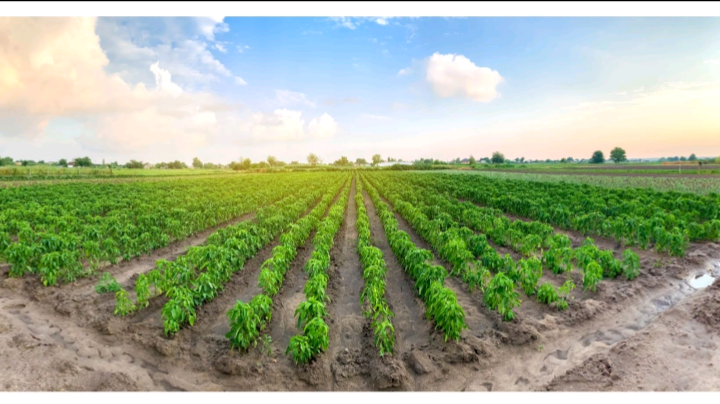

Mennonite Economic Development Associates (MEDA) has launched a major agriculture development project in Nigeria designed to generate employment and strengthen the agri-food sector. The initiative is titled the Resilient and Inclusive Agri-Food Systems Empowering Women and Youth (RISE) project. It is planned as a five-year programme with clear targets: the creation of 8,000 decent jobs and the reinforcement of key agricultural value chains in northern Nigeria.
The RISE project is backed by Global Affairs Canada and will operate in Bauchi, Kaduna, and Kano states. These states have been selected because of their strategic position in Nigeria’s food production landscape and their potential to anchor inclusive economic growth.
The aim of the initiative is to move beyond short-term interventions toward sustainable systems development. At its core, RISE seeks to strengthen agricultural value chains that underpin food security and rural income generation. In Nigeria, value chains for staples like rice, maize, groundnut, and soybean account for a large share of agricultural output. Strengthening these chains can reduce post-harvest losses, increase market access, and support supply chain integration, key factors for economic resilience.
At the project launch in Abuja, MEDA’s Regional Director for West and Central Africa, Diaka Diallo Sall, articulated the organisation’s intent. She said “with RISE, we are moving further and deeper,” emphasising a shift from isolated programmes to systemic interventions that build resilience to climatic and economic shocks.
According to the project framework, RISE will prioritise smallholder farmers, cooperatives, and micro, small, and medium enterprises (MSMEs). These actors are critical to value chain performance but have historically faced barriers such as limited access to finance, technology, and markets. The project’s strategy involves expanding these access points, thereby enabling participants to increase productivity and add value locally rather than exporting raw commodities without processing.
Women and youth are central to the project’s design. Rather than treating these groups merely as beneficiaries, RISE positions women and youth as leaders and drivers in the transformation of agricultural systems. This approach addresses long-standing gender and generational imbalances in access to resources and decision-making within the sector.
The Canadian High Commissioner to Nigeria, His Excellency Pasquale Salvaggio, highlighted Canada’s rationale for supporting the initiative. He stated that agriculture remains a key pillar of Canada–Nigeria development cooperation and that empowering women and youth within agri-food systems is a critical pathway to economic growth, gender equality, and poverty reduction.
A business-oriented implementation model underpins RISE. Partnerships will span government agencies, private sector actors, financial institutions, civic organisations, and local cooperatives. This partnership-driven structure is intended to reduce risk, leverage private capital, and ensure that interventions are aligned with market signals rather than being solely donor driven.
The project will support 12,500 smallholder farmers directly, assisting them with climate-smart agricultural practices and stronger market integration. It will also strengthen 450 women- and youth-led enterprises and support 250 farmer cooperatives. The total projected reach of the initiative is about 50,000 people across the participating regions, including indirect beneficiaries.
Implementation will follow a structured three-pillar approach. The first pillar focuses on boosting productivity and incomes via climate-smart agricultural practices and enhanced access to productive inputs. The second pillar targets competitiveness of women- and youth-led agribusinesses by expanding access to finance, technology, and business development services. The third pillar addresses social norms and leadership barriers by promoting inclusive participation in governance structures and agribusiness ecosystems.
Analytically, the MEDA RISE project represents a concerted effort to tackle constraints in Nigeria’s agricultural sector that have hindered job creation and value addition. By embedding systems strengthening and inclusive participation at the centre of its design, the initiative aligns with broader development priorities such as economic diversification, rural employment, and food system resilience.