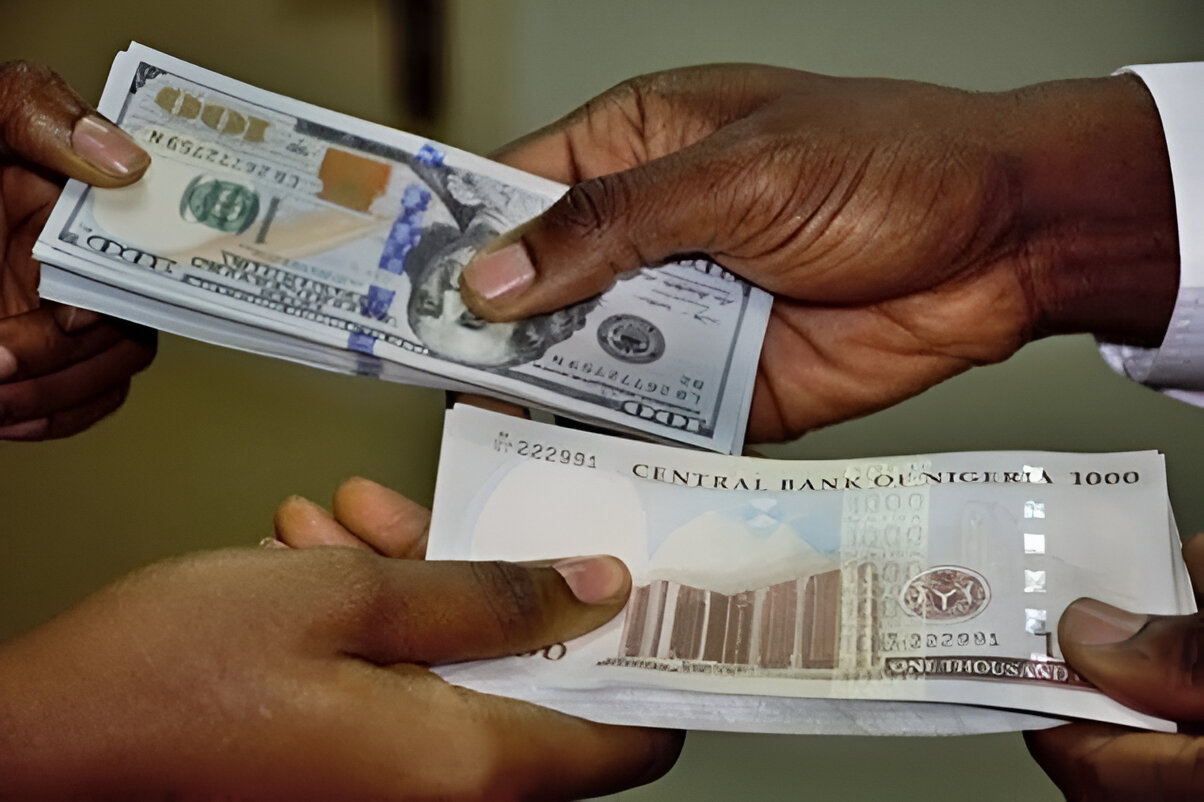

Nigeria’s Naira concluded the trading week on March 27, 2026, with a significant decline against the United States dollar, despite recording marginal day-to-day recoveries. Data from the Central Bank of Nigeria (CBN) indicates the currency closed at ₦1,380.58 per dollar in the official market, representing a weekly depreciation of ₦21.68. This volatility is increasingly linked to the sustained depletion of Nigeria’s external reserves, which fell for the ninth consecutive day to approximately $49.48 billion. While the reserves remain relatively high by historical standards, the recent downward trend has constrained the apex bank’s capacity to intervene decisively in the Foreign Exchange (FX) market.
The divergence between the official and parallel markets remains a critical focal point for macroeconomic stability. In the unofficial market, the Naira weakened further to ₦1,415 per dollar, widening the premium and fueling speculative pressures. To counteract this, the CBN has introduced a suite of reforms aimed at boosting dollar liquidity, including allowing oil companies full access to their export proceeds and tightening the regulatory framework for international remittances. From a business journalism perspective, these measures are essential for enhancing market transparency and restoring investor confidence, which has been rattled by persistent currency instability and its attendant inflationary effects on the cost of imported raw materials.
Institutional integrity and the success of these FX reforms are vital for the “Renewed Hope” agenda’s goal of a $1 trillion economy. Analysts suggest that if the new liquidity measures successfully attract higher autonomous inflows, the Naira could stabilize in the medium term. However, the immediate pressure on external reserves remains a significant hurdle. For Nigerian businesses, particularly those in the manufacturing and retail sectors, the widening gap between the two markets continues to complicate forward planning and pricing strategies. Achieving a converged and stable exchange rate is no longer just a monetary goal; it is a fundamental requirement for protecting the purchasing power of Nigerian households and ensuring long-term industrial sovereignty.