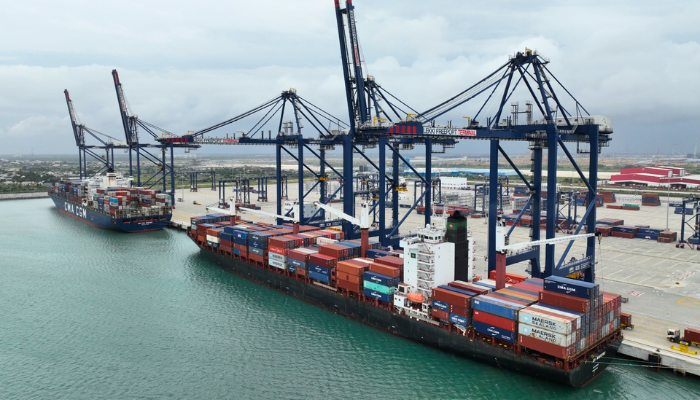

Lekki Deep Sea Port is leveraging Chinese technical expertise and financing to strengthen its competitive position in the intensifying regional maritime rivalry among West African ports. The port, Nigeria’s first deep sea facility, has partnered with Chinese construction and engineering firms to optimise its terminal operations, dredging protocols, and cargo handling systems, aiming to capture transshipment cargo that has historically flowed through Cotonou, Lomé, and Abidjan.
The Chinese involvement extends beyond construction to include technology transfer, training of local personnel, and integration with global shipping line networks. This collaboration is critical to Lekki Port’s ambition to achieve the drafts, turnaround times, and service reliability required to attract major carriers. The port’s deeper draft compared to Apapa and Tin-Can Island allows it to accommodate larger vessels, a significant competitive advantage in an industry where shipping lines are deploying increasingly large ships.
For Nigeria’s maritime strategy, Lekki Port’s success is essential to reversing the decades-long leakage of Nigerian-bound cargo to neighbouring ports. The partnership with Chinese firms brings not only capital but also operational expertise from one of the world’s largest port development ecosystems. However, achieving the port’s full potential requires connecting road and rail infrastructure to facilitate efficient hinterland distribution.