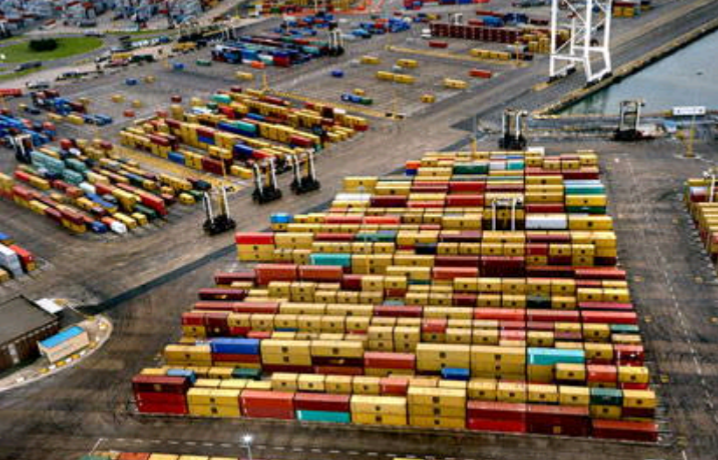

The Kirikiri Lighter Terminal (KLT) Command of the Nigeria Customs Service (NCS) has recorded a total of ₦13.7 billion in revenue over a recent 10-month period.
This milestone underscores a notable rise in collections from the terminal’s operations, reflecting improved compliance and enforcement at one of the nation’s key maritime gateways. The figure suggests that KLT’s workloads, such as container clearances, lighterage services, and other import-related processes are contributing significantly to national customs revenue.
The recent performance of KLT aligns with broader trends at NCS: for example, earlier in 2025 the service reported ₦1.75 trillion in revenue during Q1, a nearly 30% jump compared to the same period in 2024.
Although ₦13.7 billion may appear modest compared with the thousands of billions NCS targets annually, it is important at a micro-level: cumulative gains from multiple terminals like KLT meaningfully add to national non-oil revenue.
Given Nigeria’s ongoing efforts to diversify away from oil dependency and shore up non-oil tax and duty income, stronger customs-terminal collections reinforce the state’s fiscal base. In that light, KLT’s performance contributes to a broader economic strategy to increase revenue resilience, especially under currency volatility and global trade headwinds.
As Nigeria seeks to rebuild fiscal stability, growth in customs revenue, such as the ₦13.7 billion from KLT helps reduce reliance on fluctuating oil earnings. Consistent improvements in terminal collections, port enforcement and compliance strengthen non-oil revenue streams, which are vital for sustaining government expenditure and infrastructure investments.