
The Dangote Petroleum Refinery has expanded its free petroleum products delivery programme to four additional states as part of efforts to reduce the cost of transporting fuel across Nigeria.
The new states covered by the initiative are Kano, Imo, Anambra and Nasarawa. The refinery said the move would help independent petroleum marketers cut distribution expenses and potentially create room for cheaper petrol at filling stations.
The initiative was initially introduced in Lagos, Ogun, Rivers, Kaduna, Abuja and Delta. By extending the programme to more parts of the country, Dangote Refinery aims to bring petroleum products closer to marketers and retailers, reducing the need for long-distance transportation from its facility.
Transportation is one of the major costs involved in moving petrol from refineries to consumers. Marketers often spend heavily on trucks, drivers, insurance, vehicle maintenance, road risks and other logistics. These expenses are eventually reflected in the price consumers pay for fuel.
Under the new arrangement, Dangote Refinery is taking responsibility for the delivery costs to selected locations. The company believes this will reduce the financial pressure on marketers and improve the efficiency of the petroleum distribution system.
Fatima Aliko Dangote, Group Executive Director, Commercial Operations, Oil & Gas, WAEP and Fertiliser, Dangote Industries Limited, said the benefits of domestic refining should go beyond the refinery itself.
She explained that absorbing delivery expenses would remove an important part of the distribution burden and give businesses more opportunity to pass savings down to consumers.
The development has also received support from the Independent Petroleum Marketers Association of Nigeria (IPMAN). The association said the initiative could help address some of the financial difficulties faced by independent marketers.
According to IPMAN National Publicity Secretary, Chinedu Ukadike, marketers sometimes pay for petroleum products but experience delays before their orders are loaded and transported. Such delays can leave large amounts of business capital tied up for days or even weeks.
He said the free delivery arrangement could reduce these delays and improve the cash flow of marketers, allowing them to use their funds more efficiently.
The initiative could be particularly useful in states located far from the refinery, where transportation costs can significantly increase the final price of petroleum products.
Beyond reducing costs, Dangote said the programme could also lower some of the risks associated with transporting large quantities of fuel over long distances.
The expansion comes as Nigeria’s downstream oil sector continues to adjust to rising domestic refining capacity and changing competition in the fuel market.
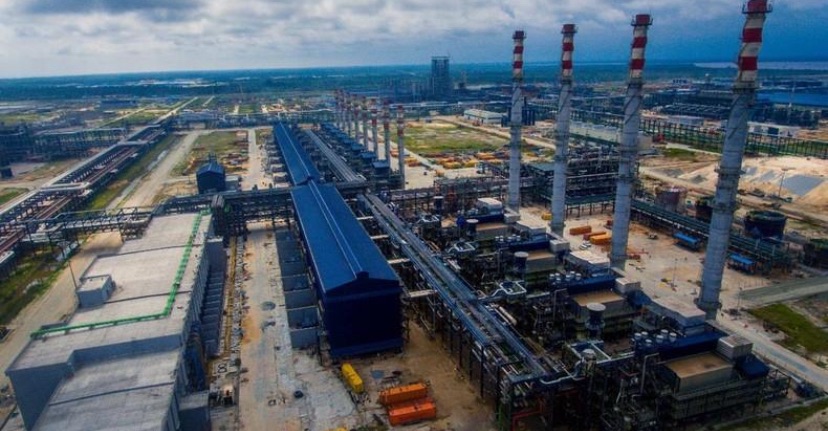
With its 700,000-barrel-per-day capacity, the Dangote Petroleum Refinery has become a major source of refined petroleum products for Nigeria while also supplying international markets.
If sustained and expanded to more locations, the free delivery programme could help reduce distribution costs and strengthen competition among fuel marketers, with consumers potentially benefiting through more affordable petrol prices.