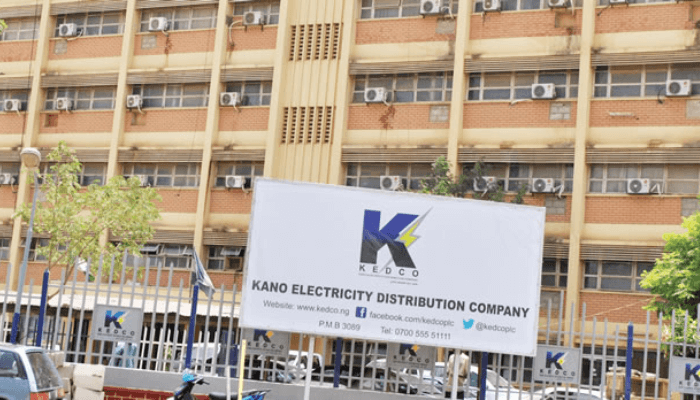

A potentially damaging strike by electricity workers in Kano has been suspended following successful negotiations between union leaders and the management of the Kano Electricity Distribution Company (KEDCO). This resolution has temporarily averted a severe power crisis in Nigeria’s crucial northern commercial hub, highlighting the fragile interplay between labor relations in essential services and regional economic stability. The industrial action, which threatened to plunge the state into darkness, was called off after a marathon meeting addressed key grievances over working conditions and welfare, underscoring how vulnerabilities in the power sector directly translate into business continuity risks.
The dispute centered on longstanding complaints from the workers’ union, including issues related to hazard allowances, understaffing, and general welfare provisions. These tensions came to a head this week, leading to the threat of a full-scale withdrawal of services. For Kano, a city that serves as the primary economic gateway for northern Nigeria and a major center for agriculture, manufacturing, and commerce, a prolonged blackout would have been catastrophic. The immediate suspension of the strike provides essential breathing room for businesses that rely on consistent power to operate machinery, preserve perishable goods, and conduct daily transactions.
From a broader economic perspective, this incident exposes a critical pressure point in Nigeria’s infrastructure ecosystem. Kano’s economy is a significant contributor to national GDP, and disruptions in its power supply create ripple effects that extend far beyond the state’s borders. A halt in electricity would have stalled production in vital industries such as textile manufacturing, food processing, and dairy production, leading to supply chain bottlenecks, job losses, and reduced government revenue from taxes and tariffs. The threat of such an event inevitably shakes investor confidence, raising the perceived risk profile of operating in the region and potentially stalling future capital investment.
The resolution model itself offers a case study in crisis management for other distribution companies and infrastructure-dependent sectors. The intervention of the Nigerian Electricity Regulatory Commission (NERC) and the willingness of both parties to engage in extended dialogue were pivotal. This collaborative approach prevented the escalation of a local labor issue into a full-blown regional economic emergency. It demonstrates that proactive negotiation and regulatory oversight are indispensable tools for maintaining the operational integrity of essential services, which form the backbone of productive economic activity.
However, the suspension of the strike is a temporary fix, not a permanent solution. The underlying issues of resource allocation, staffing, and infrastructure investment within the distribution segment of Nigeria’s power value chain remain largely unaddressed. For true economic resilience to be built, the resolution must be seen as the first step in a more comprehensive strategy to fortify the utility sector. This requires sustained investment in grid modernization, transparent and timely implementation of agreed welfare packages, and the development of more robust business continuity plans that can withstand operational shocks.
Ultimately, the Kano DisCo situation is a microcosm of a national challenge. The health of Nigeria’s economy is inextricably linked to the reliability of its power supply. Every threat of a blackout is a threat to productivity, competitiveness, and growth. While the swift resolution of this particular dispute is commendable, it should serve as a stark reminder to policymakers and investors alike that achieving sustainable economic development is impossible without first securing a stable, efficient, and well-managed energy foundation. The work to build that foundation remains an urgent national priority.