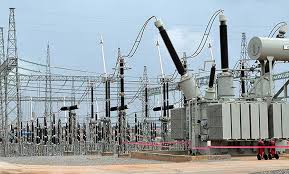

The management of Jos Electricity Distribution (JED) PLC has taken the drastic step of shutting down its 33KV Power Substation in Jos, Plateau State, following a reported physical assault on its personnel by military officers. The utility provider announced the emergency closure on Monday, February 16, 2026, citing the need to protect the safety and psychological well-being of its workforce. For the residents of Jos and surrounding areas, this standoff between a private utility and the armed forces has resulted in widespread blackouts, highlighting the fragile nature of civil-military relations in the management of critical infrastructure.
The economic consequence of this shutdown is an immediate disruption to commercial activities and essential services across the Plateau state capital. Small businesses, hospitals, and manufacturing units that rely on the 33KV line have been forced to pivot to expensive alternative power sources. From a governance perspective, the incident underscores the “Institutional Friction” that occurs when security agencies often the largest debtors to electricity distribution companies—resort to intimidation rather than administrative resolution in disputes over power supply.
Analytically, the incident reportedly began when JED technicians attempted to carry out routine maintenance or load shedding that affected a military facility. According to JED officials, the response from the personnel on-site was not a dialogue, but physical violence against the technical team. This has prompted the National Union of Electricity Employees (NUEE) to back the management’s decision, insisting that its members will not return to work until the Nigerian Army provides a formal apology and guarantees the safety of utility workers.
The impact on “National Security and Public Order” is a vital dimension of this crisis. While the military often views steady power supply as a security necessity for its barracks and operations, the “Self-Help” approach to securing electricity undermines the rule of law. The shutdown essentially leaves the military facility in the same darkness it sought to avoid, proving that aggressive tactics in a regulated utility market often lead to “Mutually Assured Darkness.” For the state government, the priority is now to mediate a truce before the power outage leads to increased crime or social unrest in the city.
Furthermore, the JED management has emphasized that it cannot continue to put its staff in harm’s way. The company noted that this is not an isolated event, as utility workers across Nigeria frequently face harassment from both state actors and angry consumers over grid collapses and high tariffs. By shutting down the substation, JED is drawing a “red line” in the sand, demanding that the Federal Government and the military high command address the culture of impunity that threatens the stability of the Nigerian Electricity Supply Industry (NESI).
The long-term economic outlook for the region’s power stability depends on the swift resolution of this conflict. If the military is not held accountable for the alleged assault, it could set a dangerous precedent for other security agencies to use force to bypass the technical realities of the power grid. As mediation efforts begin, the people of Jos remain caught in the crossfire of a power struggle that has nothing to do with megawatts and everything to do with professional conduct and mutual respect.