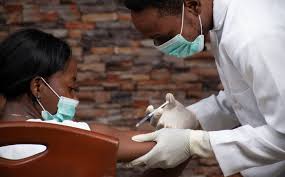

A major milestone has been reached in the global fight against Lassa fever, a disease that causes serious outbreaks each year in Nigeria and across West Africa. A candidate vaccine against Lassa fever has entered its first Phase 1 human trials in the United Kingdom, offering fresh hope for improved prevention of the disease.
The experimental vaccine is being developed by researchers at the University of Oxford, a leading UK research institution, with backing from the Coalition for Epidemic Preparedness Innovations (CEPI). CEPI is an international organisation that funds the development of vaccines against epidemic-prone diseases, especially those that have been neglected by commercial vaccine developers.
Understanding Lassa Fever
Lassa fever is a viral haemorrhagic illness that is endemic regularly occurring in parts of West Africa, particularly Nigeria, Liberia, Sierra Leone and Guinea. The disease is carried by a type of rodent called the multimammate rat. Humans can become infected through contact with the urine or faeces of infected rats, or through person-to-person transmission in healthcare settings without adequate infection control.
In Nigeria alone, a significant number of cases are reported every year, often placing great strain on the healthcare system. According to health authorities, hundreds of suspected Lassa fever cases and dozens of deaths are recorded annually, especially during seasonal outbreaks.
Despite the ongoing threat, there is currently no licensed vaccine for Lassa fever. This has made control efforts difficult, with public health responses relying mainly on early detection, supportive care and strict hygiene measures.
Why the Vaccine Trial Matters
The new vaccine candidate entering human testing represents a significant step forward. This Phase 1 study is designed to assess whether the vaccine is safe for humans and to observe the immune responses it triggers. Safety is the primary focus at this early stage of clinical testing. If the initial results are positive, researchers plan to advance to larger trials, including in parts of Africa where the disease is endemic.
Leading the clinical work is the University of Oxford research team, which has considerable experience with vaccine development. The candidate vaccine uses a viral vector platform known as ChAdOx1, the same technology behind the Oxford-AstraZeneca COVID-19 vaccine. This type of platform has already been used safely in billions of vaccinations globally, and it is known to be effective in stimulating protective immune responses.
So far, a small group of healthy adult volunteers aged between 18 and 50 have received doses of the candidate vaccine in the ongoing Phase 1 trial. Early observations show that no serious adverse events have been recorded, and reported side effects such as brief arm pain, fatigue and mild headaches are consistent with common reactions to many vaccines.
Next Steps in the Research
If initial safety results continue to be promising, the experimental vaccine will enter later stages of testing. Plans are under way for additional Phase 1 testing in Ghana, involving more participants, before progressing to Phase 2 trials. These later trials will be larger and are expected to include participants in Nigeria and other affected West African countries.
Phase 2 and Phase 3 trials are crucial, as they help determine whether the vaccine is not only safe but also effective in preventing Lassa fever in diverse populations and real-world settings. Only after successful completion of these larger trials could the vaccine be considered for regulatory approval and eventual use in national immunisation programmes.
International Collaboration and Support
The vaccine effort illustrates the importance of global cooperation. CEPI, which funded and facilitated the research, was established after the 2014-2016 Ebola outbreak to help close the gap where commercial incentives for vaccine development are low. Diseases like Lassa fever often receive less attention because they primarily affect lower-income countries with limited markets for profitable drugs or vaccines.
Experts from the West African Health Organisation and other partners have also been involved in planning and coordination, working to ensure that vaccine research is responsive to the needs of affected communities. Alongside vaccine science, CEPI is funding social science studies in Nigeria, Sierra Leone and Liberia to better understand public attitudes towards vaccines, including concerns about safety, trust and uptake.
Building community trust and ensuring that people are willing to be vaccinated if and when a vaccine becomes available are essential parts of a successful immunisation strategy. Community engagement helps reduce misinformation, encourages local acceptance, and improves public health outcomes.
Nigeria’s Role in the Fight Against Lassa Fever
Although the first human trials are happening in the UK, Nigeria remains central to the wider effort against Lassa fever. The country continues to host other vaccine studies, including Phase 2 trials for a separate candidate supported by CEPI, and plays a key role in regional planning and response strategies.
Medical and scientific experts in Nigeria have long advocated for stronger research infrastructure and investment in outbreak preparedness. Partnerships like the one with Oxford and CEPI help build local capacity not just for this vaccine but for future public health challenges as well.
The Broader Public Health Challenge
Lassa fever remains a persistent public health threat in West Africa. In addition to increasing vaccine research, efforts to reduce outbreaks include improving surveillance, diagnostics and clinical care, enhancing community awareness, and strengthening health systems so they can respond more effectively.
Experts emphasise that vaccines are just one part of the strategy against diseases like Lassa fever. Long-term control also depends on addressing environmental and social risk factors, such as rodent control, food storage practices, sanitation and early treatment access.
Moving Forward With Cautious Optimism
The start of human trials for a Lassa fever vaccine candidate represents a breakthrough in global health efforts. While much work remains including further testing, regulatory review and planning for widespread vaccine delivery the progress so far offers hope for a future in which fewer lives are lost to this devastating disease.
Scientists, health officials and communities across Africa and beyond will be watching closely as the research continues to unfold. If successful, an effective Lassa fever vaccine would be a major advance in protecting populations most at risk and strengthening global health security.