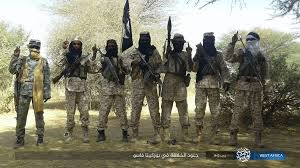

Clashes between rival jihadist groups have spread into Niger for the first time, signalling a dangerous escalation in their long-running rivalry across the Sahel and highlighting growing security gaps that threaten regional stability. The conflict involves Jama’at Nusrat al-Islam wal-Muslimin (JNIM), affiliated with al Qaeda, and the Islamic State in the Sahel Province (ISSP), which have fought for years in Mali and Burkina Faso, resulting in more than 2,100 deaths, according to Armed Conflict Location & Event Data.
Recent fighting in Niger’s Tillaberi region marks a new front. ISSP claimed it killed 35 JNIM fighters in an April 2 attack, describing it as retaliation for an earlier assault on a village. Heni Nsaibia, ACLED’s senior analyst for West Africa, said ISSP statements have “quite high credibility,” as the group has consistently provided visual evidence of slain fighters and seized weapons.
Nsaibia warned that the spread of violence between the two groups highlights how little state control there is in much of the Sahel. “This competition will likely continue to fuel recruitment, expansion, and violence, making the jihadist insurgency increasingly difficult to contain,” he said.
Analysts point to weak security cooperation between Niger and Nigeria as a critical vulnerability, creating a security gap that JNIM is looking to exploit by establishing vantage points and rear bases in southern Niger and northwest Nigeria. Beverly Ochieng, senior analyst at Control Risks, said this is “leading to clashes with the more well-established IS branches and affiliates.”
For regional economies, the expansion of jihadist violence threatens trade routes, agricultural production, and investment. The Sahel corridor, connecting West Africa to North Africa, has seen reduced traffic as insecurity spreads. Agricultural communities face displacement, and cross-border commerce suffers from heightened risk perceptions. The spread of conflict into Niger also increases pressure on already strained security budgets across the region.
JNIM has also claimed activity in Nigeria’s Kebbi state, further extending the geographic reach of the rivalry. The escalation underscores the interconnected nature of security challenges across the Sahel and coastal West Africa, requiring coordinated responses that have been complicated by recent ruptures in regional security frameworks.