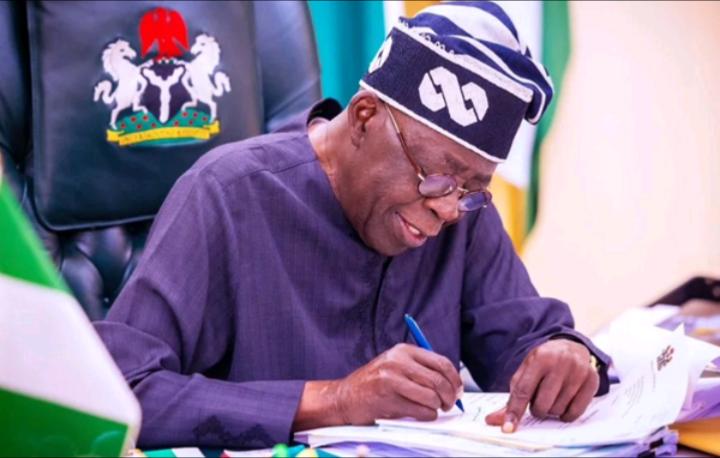

Nigeria’s federal budget process is facing intense scrutiny as President Bola Ahmed Tinubu prepares to present the 2026 Appropriation Bill to the National Assembly, even as the government has not released a performance report for the 2025 budget. Civic-tech watchdog BudgIT has raised alarms that the absence of the 2025 performance report makes it impossible for lawmakers, civil society, and everyday Nigerians to know how public funds were used in the current fiscal year before approving the next one.
Under Nigeria’s Fiscal Responsibility Act (FRA), quarterly and annual budget implementation reports are required to be published so the public can see how money appropriated for the year has been spent. Yet, as of December 2025, no such reports for the 2025 budget have been made public, and the year is nearly over. BudgIT’s commentary underscores frustrations over the lack of transparency.
The watchdog’s social media announcement bluntly stated that “there is still NO Budget Implementation Report for 2025. 2026 budget is almost here, yet we don’t know how the 2025 budget performed?” This means the 2026 budget is being tabled without a clear, audited picture of whether the previous year’s financial plans succeeded or failed.
Nigeria’s budgeting challenges extend beyond just missing reports. For years, fiscal cycles have overlapped, meaning previous budgets are still being implemented even as new ones are approved. This has blurred accountability and made it hard to track project completion. For example, capital projects from the 2024 budget had been carried into 2025, and there is evidence the same may happen with 2025 funds rolling into 2026.
The ripple effects of these budget overlaps show up in public finance management and economic confidence. Multiple news reports describe the budget system as inconsistent and chaotic, with capital release delays, weak revenue inflows, and confusion over which funds should be spent when. Economic analysts warn that this undermines fiscal accountability and investor trust in Nigeria’s public finances.
An expert noted that Nigeria is now running several budgets at the same time, a situation most democratic systems avoid because it erodes fiscal discipline. Instead of aligning budgets to the constitutionally mandated January-to-December fiscal year, the government has adjusted and extended previous budgets to compensate for slow implementation and delayed releases.
The absence of performance reporting also feeds into broader concerns about Nigeria’s spending priorities and economic health. Citizens and researchers alike have struggled to see concrete evidence that budgeted funds are translating into completed infrastructure, improved services, or social development outcomes.
This legislative and executive disconnect has also prompted criticism from lawmakers. Senate and House committees have repeatedly questioned the executive on the late submission of reports and the overlapping nature of budget implementation, noting that it makes legislative oversight difficult if not impossible.
At the core of the issue is the fact that without knowing the results and challenges of the 2025 budget, stakeholders have limited evidence to debate how the 2026 budget should be structured, funded, and monitored. BudgIT insists that transparency and reporting are essential prerequisites for effective governance and accountability.
Amid this backdrop, the economic implications are growing. Nigeria’s fiscal credibility, already strained by low revenue mobilization, high debt costs, and structural revenue shortfalls could suffer further if investors and partners doubt the government’s financial stewardship. Delays in budget reporting and cycles can slow capital project execution, weaken economic planning, and erode confidence in public institutions.
Nigeria’s fiscal reporting gaps and overlapping budgets worsen economic uncertainty, weaken investor confidence, and impede effective planning. With low domestic revenue and high debt servicing costs, failure to publish performance data hampers fiscal discipline and could slow economic growth, delaying essential infrastructure and social services that drive productivity and investment.