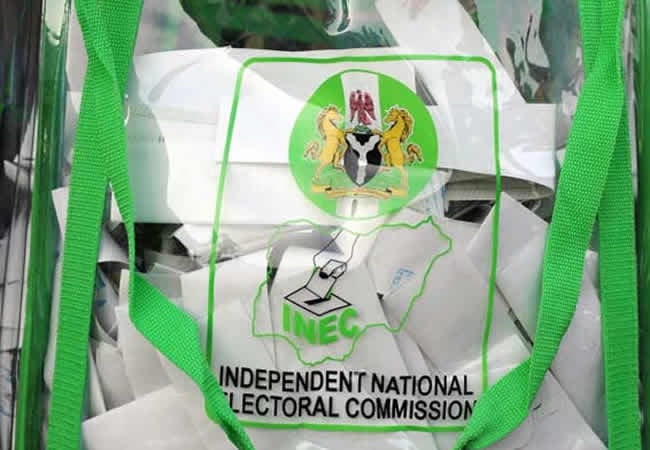

The Independent National Electoral Commission (INEC) has signaled its commitment to a more efficient electoral process by launching early preparations for the 2027 general elections. Recognizing that the success of any election depends on timely planning, the Commission has begun reviewing its operational strategies and engaging with the National Assembly to ensure a stable legal environment.
Central to this early push is the emphasis on legislative clarity. INEC Chairman, Professor Mahmood Yakubu, has consistently advocated for the conclusion of all legal amendments long before the election year. By finalizing the electoral legal framework early, the Commission hopes to provide political parties, security agencies, and voters with a clear set of rules, thereby reducing the volume of pre-election and post-election litigation that often clogs the judicial system.
Beyond the legal landscape, INEC is also addressing operational logistics. The Commission is evaluating the performance of technologies used in the 2023 elections, such as the Bimodal Voter Accreditation System (BVAS) and the INEC Result Viewing Portal (IReV). The goal is to identify technical gaps and implement upgrades that ensure seamless voter accreditation and real-time result transparency in 2027. Early procurement of non-sensitive materials and the training of personnel are also high on the agenda to prevent the late-hour rushes that have historically led to delays on election day.
Another critical component of the preparation is the Continuous Voter Registration (CVR) exercise. INEC has indicated plans to resume registration activities to accommodate millions of Nigerians who have reached the voting age since the last cycle. This proactive approach aims to build a more comprehensive and accurate national register of voters.
However, challenges remain. The Commission has expressed concern over the rise of premature campaigning by political actors. While INEC is focused on technical and legal readiness, the political atmosphere is already heating up with unofficial endorsements and rallies. The Commission has urged stakeholders to adhere to the provisions of the Electoral Act 2022, which governs the timing of campaign activities.
As the 2027 roadmap begins to take shape, the emphasis on early preparation serves as a strategic move to restore public confidence. By addressing legal ambiguities and logistical hurdles four years in advance, INEC aims to deliver a process that is not only credible but also technologically resilient and legally sound.