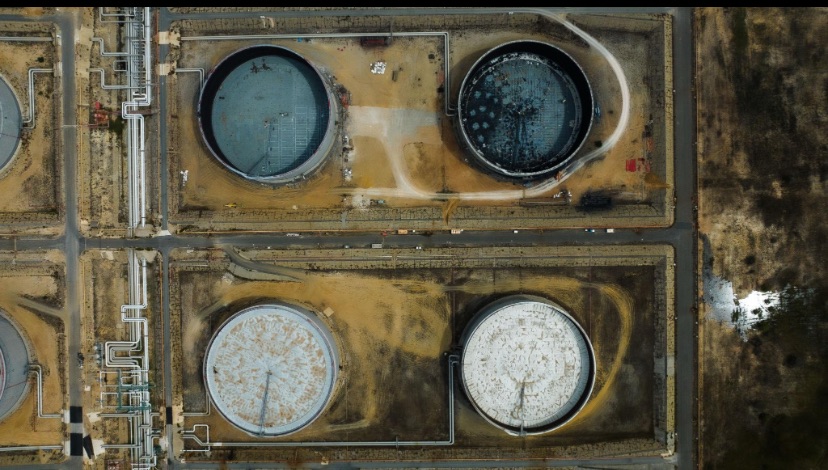

The International Energy Agency (IEA) has raised concerns that global oil reserves could drop to dangerously low levels in the coming months if current trends continue. The warning comes as countries prepare for the peak summer season, a period when demand for oil typically rises due to increased travel, transportation, and industrial activities.
Speaking at the S&P Global Energy Middle East Petroleum and Gas Conference in London, Toril Bosoni, who leads the IEA’s oil industry and markets division, said oil inventories are continuing to decline. According to her, stockpiles are being drawn down at a pace that could leave global reserves at some of the lowest levels seen in recent history just before summer demand reaches its highest point.
Bosoni explained that the situation is becoming increasingly concerning because global oil markets are already facing supply pressures. If inventories continue to shrink at the current rate, countries may have fewer resources available to respond to unexpected disruptions or emergencies in the energy sector.
She also discussed the ongoing challenges surrounding the Strait of Hormuz, one of the world’s most important oil shipping routes. Bosoni noted that even if an agreement to resolve current issues were reached immediately, reopening the strait fully could still take between six and eight months under the most optimistic scenario. Such a delay could further tighten global oil supplies and increase pressure on energy markets.
The IEA official stated that another coordinated emergency release of oil reserves by member countries remains a possibility if market conditions worsen. However, she clarified that such discussions are not currently taking place. One reason is that about half of the 400 million barrels of oil previously released through an international emergency action in March has not yet entered the market.
Despite the option of releasing additional emergency reserves, Bosoni stressed that this would only provide temporary relief. She explained that emergency stock releases are designed to help stabilize markets during short-term supply disruptions, but they cannot solve larger and more long-lasting supply shortages.
According to Bosoni, the scale of potential supply losses facing the global market is significant. Because of this, relying solely on emergency reserves would not be enough to restore balance. Instead, she suggested that reducing demand may become necessary if supply challenges continue to grow.
The warning highlights the fragile state of the global energy market at a time when many countries are still dealing with economic uncertainty and inflation concerns. Higher oil prices caused by shrinking inventories could affect transportation costs, manufacturing expenses, and consumer prices worldwide.
As summer approaches, governments, energy companies, and market analysts will closely monitor oil inventory levels and supply conditions. The coming months could prove critical in determining whether the global oil market remains stable or faces renewed pressure from tightening supplies and rising demand.