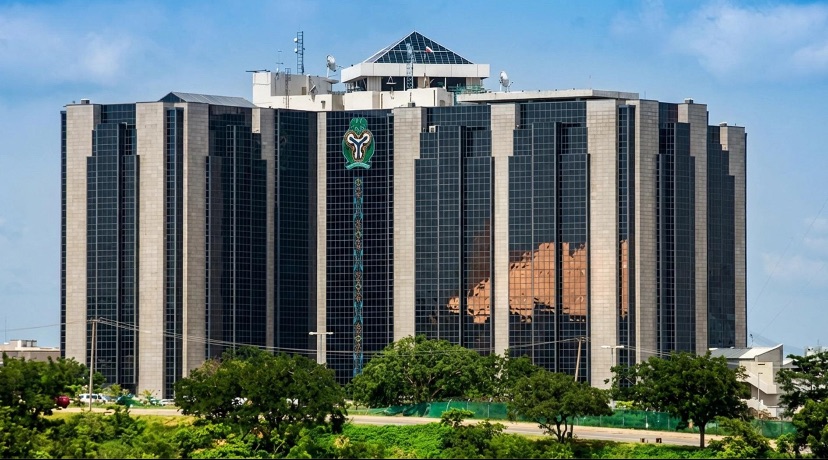

Nigeria’s consumer credit fell in 2025 for the first time in six years as high interest rates discouraged many households from taking loans, according to the latest Annual Report and Statement of Accounts released by the Central Bank of Nigeria (CBN).
The report showed that total consumer credit dropped by 19.89 percent to ₦3.78 trillion in 2025 from ₦4.72 trillion recorded in 2024. The decline ended a steady growth trend that had continued since December 2019.
The CBN explained that the increase in borrowing costs significantly affected the appetite for loans, leading many individuals to reduce borrowing while banks adjusted their lending activities.
Although overall consumer lending declined, the report revealed a major shift in the type of loans Nigerians preferred. Retail loans recorded strong growth during the year and became the largest segment of consumer credit, replacing personal loans for the first time.
Retail loans increased by 63.77 percent to ₦1.94 trillion, accounting for 51.16 percent of all consumer credit outstanding in 2025. In contrast, personal loans fell to ₦1.85 trillion, representing 48.84 percent of the total consumer loan portfolio.
This change suggests that while consumers became more cautious about borrowing, spending through retail financing continued to gain popularity despite the difficult economic environment.
The report also showed that consumer credit made up a smaller share of the total loans granted by banks to the private sector. Consumer lending represented 6.60 percent of total private sector credit in 2025, compared with 7.98 percent in the previous year.
According to the apex bank, the contraction reflected the impact of the country’s tight monetary policy, which has kept borrowing costs elevated in an effort to slow inflation and stabilise the economy.
Beyond consumer loans, the CBN highlighted changes in the structure of bank lending during the year.
Short-term loans remained the largest category, making up 51.60 percent of total bank credit. However, their share declined compared with the previous year as banks gradually increased long-term lending.
Medium-term loans accounted for 13.46 percent of total credit, while long-term loans expanded significantly to 34.94 percent, indicating that financial institutions are slowly extending the maturity of their loan portfolios.
The report explained that banks still favour short-term lending because most customer deposits are held for relatively short periods. Matching loan durations with deposit maturities helps reduce liquidity risks and maintain financial stability.
On the deposit side, short-term deposits continued to dominate the banking system. Deposits with maturities of one year or less accounted for 91 percent of total deposits in 2025, slightly higher than the previous year.
Meanwhile, medium-term deposits increased modestly to 5.15 percent, while long-term deposits declined sharply to 3.85 percent, reflecting customers’ preference for keeping funds available over shorter periods.
Despite the decline in consumer lending, overall credit to Nigeria’s private sector continued to grow. Earlier CBN data showed that total private sector credit rose to ₦83.2 trillion in June 2026, up from ₦81.04 trillion in May and significantly higher than the ₦76.13 trillion recorded in June 2025.
The increase came even as the Central Bank maintained its benchmark Monetary Policy Rate (MPR) at 26.5 percent, one of the highest levels in recent years.
Analysts believe the latest figures highlight the balancing act facing policymakers. While higher interest rates are helping to control inflation, they are also making borrowing more expensive for households. Going forward, improvements in inflation and lending conditions could encourage stronger consumer borrowing and support broader economic activity.