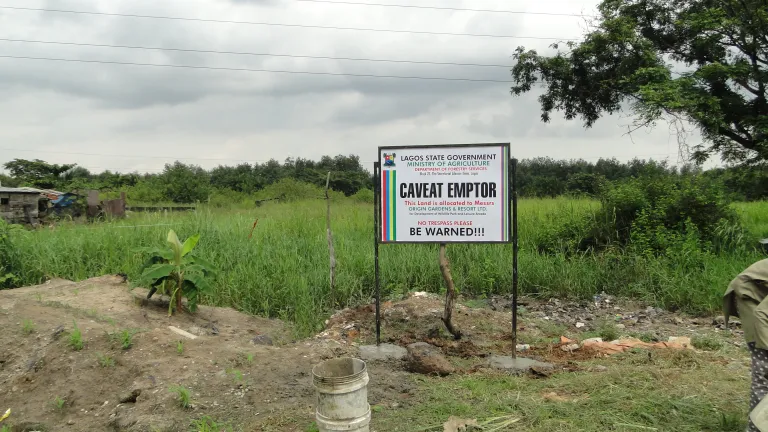

A civil society organisation has called on the Federal Competition and Consumer Protection Commission (FCCPC) to intervene against fraudulent land sales in the Federal Capital Territory, citing widespread complaints of dubious allocations, double sales, and exploitation of unsuspecting buyers. The group’s petition highlights a persistent challenge in Abuja’s real estate market, where rapid urbanisation, high demand for land, and gaps in land administration have created opportunities for fraudulent actors. For the FCCPC, the matter tests its capacity to extend consumer protection beyond conventional goods and services into the realm of property transactions.
The petition underscores the scale of the problem. Prospective landowners in the FCT, many of whom are diaspora Nigerians or professionals seeking to invest retirement savings, have reported being sold plots that either do not exist, belong to multiple buyers, or are subject to unresolved legal claims. The absence of a centralised, publicly accessible land registry has compounded the issue, allowing fraudulent operators to present forged documents and exploit regulatory gaps. The group’s appeal to the FCCPC reflects a recognition that traditional law enforcement responses have been insufficient to deter or remedy such schemes.
From an economic perspective, fraudulent land sales impose significant costs on individuals and the broader economy. For affected buyers, the loss of invested capital can wipe out life savings, derail retirement plans, and erode confidence in formal property markets. The reputational damage extends beyond individual cases; a perception that land transactions in the FCT are fraught with risk discourages investment in real estate, a sector that has historically served as a store of value and a driver of economic activity. Restoring trust in the land market requires not only enforcement against fraudsters but also systemic improvements that make fraud more difficult to perpetrate.
The FCCPC’s mandate under the Federal Competition and Consumer Protection Act empowers it to investigate and remedy practices that harm consumers, including deceptive marketing, misrepresentation, and unfair business practices. While the commission has focused primarily on product markets, the petition invites it to apply its consumer protection framework to land transactions—a category of consumer purchase that involves significant financial commitment and, in many cases, represents the largest single investment a household will make. The commission’s willingness to engage with the issue could set an important precedent for consumer protection in property markets.
The role of the FCT administration is central to any solution. The Abuja Geographic Information Systems (AGIS) was established to digitise land records and improve transaction transparency, but gaps remain, particularly regarding lands allocated prior to AGIS’s digitisation efforts or properties that have changed hands multiple times through informal channels. Strengthening AGIS’s public accessibility, ensuring that title searches can be conducted reliably, and imposing stiffer penalties on officials who collude with fraudsters are essential complements to any consumer protection intervention. Without such systemic reforms, enforcement against individual fraudsters will address symptoms rather than root causes.
The petition also raises questions about the adequacy of existing legal frameworks for land transactions. Unlike many jurisdictions where title insurance and conveyancing standards provide protections for buyers, Nigeria’s property market operates with limited safeguards. The FCCPC’s consumer protection authority could help fill this gap by requiring clearer disclosure standards for land sellers, establishing penalties for misrepresentation, and creating avenues for consumer redress that do not rely solely on protracted litigation. For potential investors, knowing that such protections exist would reduce the perceived risk of engaging with Abuja’s property market.
As the FCCPC considers its response, the group’s petition serves as a reminder that consumer protection is increasingly relevant to high-value, infrequent purchases like land. The commission’s intervention could catalyse broader reforms, including calls for more transparent land administration, stronger professional standards for real estate agents, and greater public awareness of the risks associated with informal land transactions. For Nigerians seeking to build wealth through property ownership, such protections are not merely convenient—they are essential to ensuring that hard-earned savings are not lost to fraud.