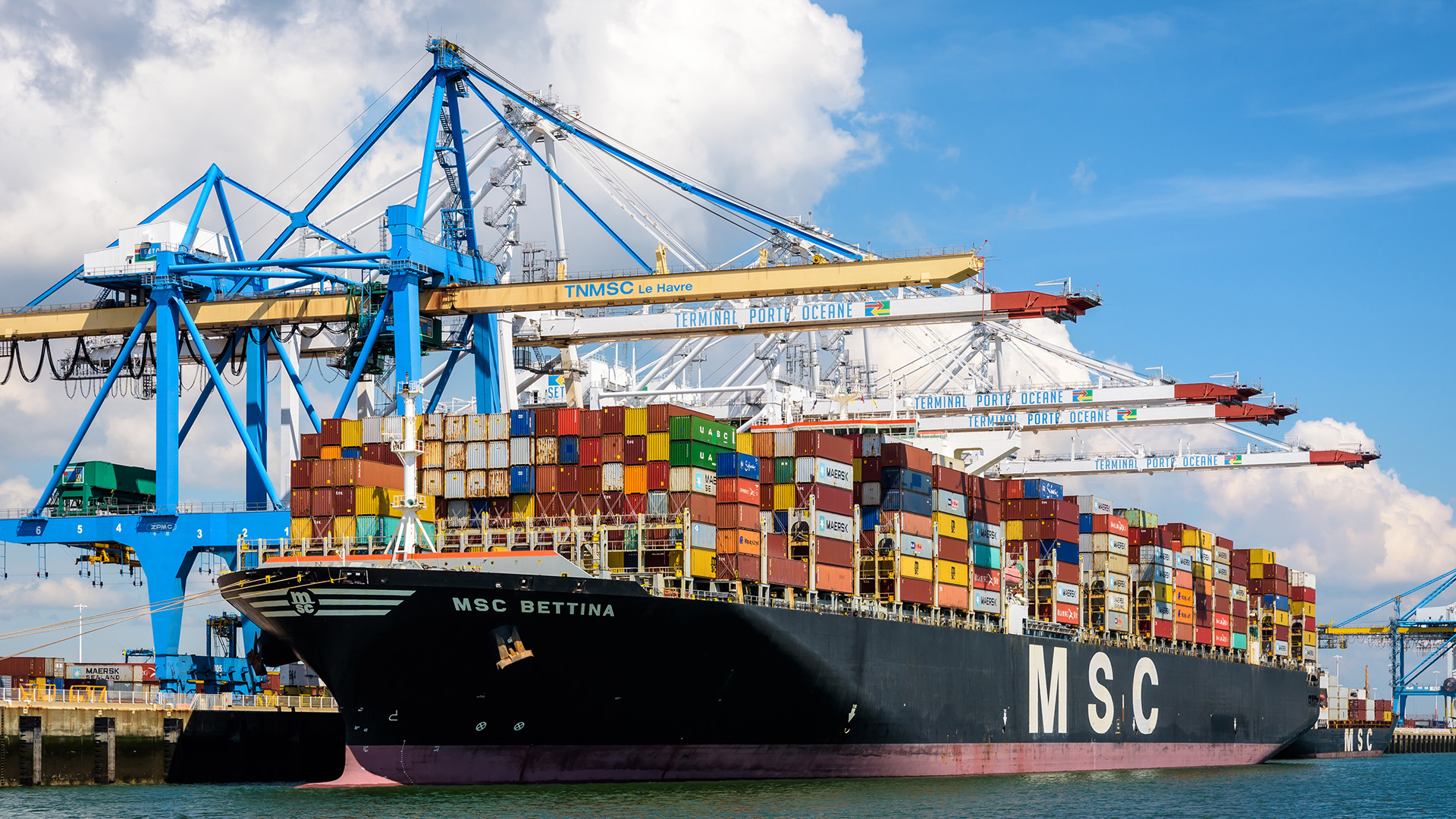

The economic architecture of Nigeria, heavily reliant on imported finished goods and raw materials, is facing a fresh wave of inflationary pressure. Recent adjustments in the global maritime sector, specifically by the Mediterranean Shipping Company (MSC), the world’s largest container line, signal a difficult period ahead for Nigerian importers and, ultimately, the average consumer. This shift in pricing reflects a broader trend of rising logistics costs that are rapidly being passed down through the supply chain.
For years, Nigerian importers have grappled with a volatile foreign exchange environment and infrastructure bottlenecks at major ports like Apapa and Onne. However, the latest increase in freight charges and surcharges by global carriers adds a layer of complexity that transcends local policy. As MSC and other shipping giants adjust their fee structures to account for rising operational costs, bunker fuel prices, and global security risks, the landing cost of containers in Lagos or Port Harcourt is reaching new heights.
The immediate impact is felt in the clearing of essential goods. From electronics and machinery to processed foods and pharmaceutical inputs, the cost of moving cargo from international hubs to Nigerian shores has spiked. Because the Nigerian market is highly price-sensitive but structurally dependent on imports, these maritime fee hikes act as a hidden tax on the populace. When an importer pays more for a forty-foot equivalent unit (FEU), that cost is not absorbed by the wholesaler; it is tacked onto the retail price of the goods.
Beyond the raw numbers, this development underscores the fragility of Nigeria’s maritime logistics. The reports from BusinessDay and other analysts suggest that the “dollar spend” on international services is being squeezed. While the government’s FX reforms were intended to stabilize the economy, the short-term result has been a drastic reduction in purchasing power. Importers are now caught in a pincer movement: they are paying more in Naira for the same service, while the international service providers are raising their prices in Dollar terms to maintain global margins.
The stories emerging from the maritime sector mirror the crises seen in other essential areas, such as healthcare. Just as medical tourism has “crashed” not necessarily due to improved local facilities but because of the prohibitive cost of foreign exchange, the volume of imports is seeing a shift. Consumers are being forced to choose between essentials, as the “logistics inflation” driven by shipping giants like MSC trickles down to the price of a bag of rice or a spare part for a commercial vehicle.
Furthermore, these rising costs highlight the urgent need for domestic port reforms and the strengthening of local capacity. If the cost of bringing goods into the country remains at the mercy of global shipping conglomerates and fluctuating surcharges, the “cost of living” crisis will remain a permanent fixture of the Nigerian economy. The current trajectory suggests that unless there is a significant intervention in port efficiency or a stabilization of the Naira, the Nigerian consumer will continue to bear the brunt of a global maritime market that is becoming increasingly expensive to navigate.
In conclusion, the decision by MSC to raise fees is more than a corporate adjustment; it is a catalyst for further inflation in an already strained economy. It serves as a reminder that in a globalized world, a price hike in a boardroom in Geneva can directly affect the affordability of a meal in Lagos.