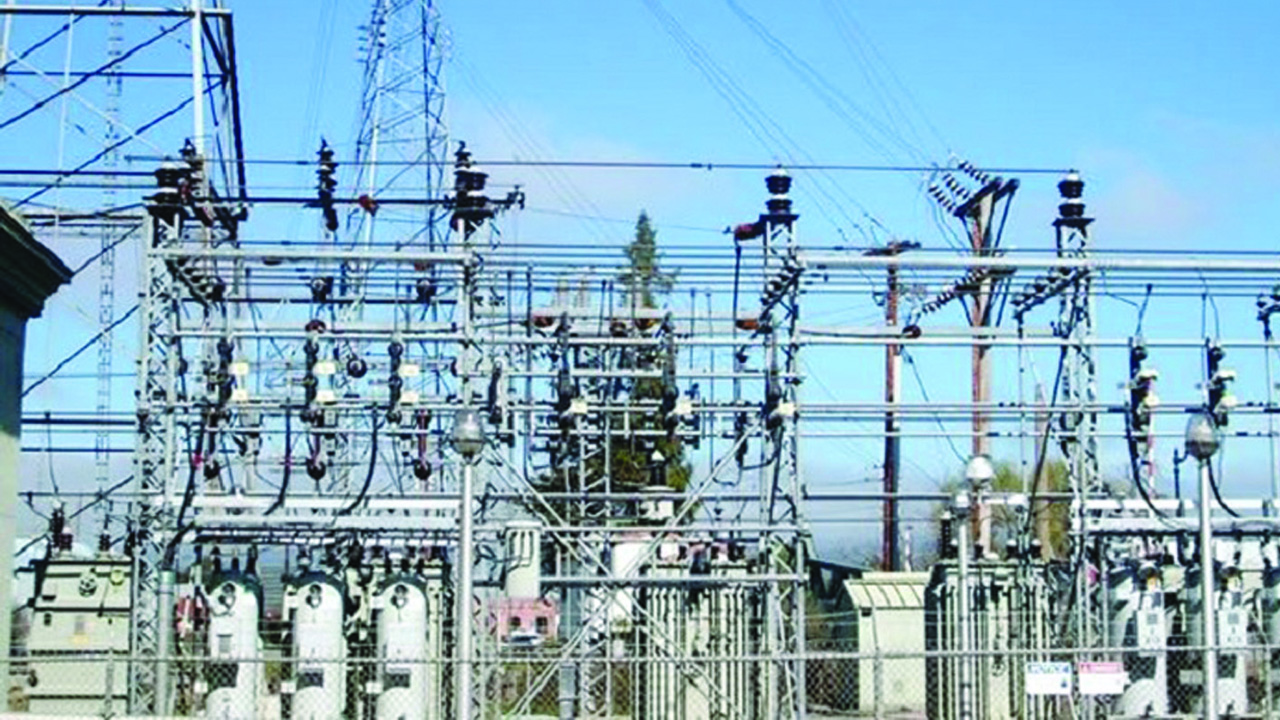

Ikeja Electric has attributed the worsening electricity supply across Lagos to a nationwide decline in power generation caused by inadequate gas supply to thermal power plants.
Kingsley Okotie, Head of Corporate Communications at the company, said on Tuesday that the development had reduced the volume of electricity available on the national grid and, by extension, the allocation to Ikeja Electric and other distribution companies.
“The ongoing reduction in electricity supply is largely due to a nationwide drop in power generation, caused by limited gas supply to thermal power plants,” Okotie said.
“This has significantly reduced the energy available on the national grid and, consequently, the allocation to Ikeja Electric and other distribution companies.”
He said the shortfall had disrupted power distribution across the company’s network, leading to intermittent outages and load shedding for homes and businesses.
Okotie, however, said the utility was working to ensure that the limited electricity available is shared as fairly and efficiently as possible among customers.
“The management regrets the inconvenience caused and appreciates the patience and understanding of our customers during this period. We remain committed to distributing the available power as efficiently and equitably as possible,” he said.
He urged residents to remain patient while efforts continue at the national level to improve gas supply and stabilise generation.
The development has further deepened power challenges in Lagos, where households and businesses say unreliable electricity is forcing them to depend more heavily on generators and alternative power sources.
Kemi Adebayo, a frozen food trader, said poor supply was increasing her operating costs and threatening her business.
“I run my generator more than I use public power. If there is no light, my goods spoil. If I use fuel, I lose profit. Either way, I am losing,” she said.
Sani Ibrahim, a welder, described the situation as unsustainable for small businesses already battling rising costs.
“We spend more on diesel than on raw materials. Sometimes, customers leave because we cannot deliver on time,” he said.
Roseline George, a civil servant, said erratic electricity had also made the current heat more difficult to bear.
“It has been very hot, and there is no constant electricity supply. We rely on rechargeable fans and take plenty of water,” she said.
Industry experts say recurring gas shortages, grid disturbances and mounting sector debt continue to weigh on Nigeria’s electricity supply, warning that prolonged instability could further weaken productivity and economic growth.