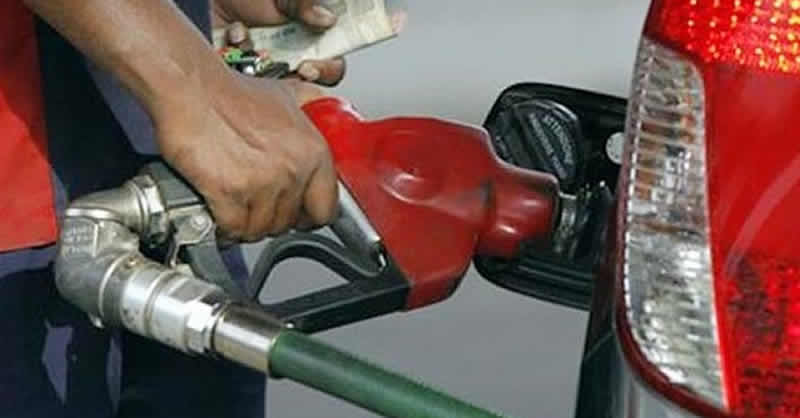

The Petroleum Products Retail Outlets Owners Association of Nigeria (PETROAN) has warned that the price of petrol in Nigeria could surge to nearly N2,000 per litre if the ongoing tensions in the Middle East continue to disrupt global oil supply.
The association urged the Nigerian National Petroleum Company Limited (NNPC Ltd.) to accelerate efforts to revive domestic refineries in order to reduce the country’s exposure to volatility in international petroleum markets. PETROAN’s National President, Billy Gillis-Harry, made the call while delivering a keynote address titled “Deconstructing Energy Trilemma” at Ignatius Ajuru University of Education in Port Harcourt.
According to a statement signed by the association’s National Public Relations Officer, Joseph Obele, the conflict involving Israel, the United States, and Iran has begun to push global oil prices higher while threatening key supply routes.
The association specifically called on the Group Chief Executive Officer of NNPC Ltd., Bayo Ojulari, to ensure the quick resumption of operations at Nigeria’s refineries, particularly the Area 5 plant of the Port Harcourt Refinery and the Warri Refinery. PETROAN said continued drone and missile attacks around major oil corridors have created uncertainty in global energy supply chains. With no clear end to the crisis, the association warned that fuel prices could rise further in the coming weeks.
Gillis-Harry noted that petrol previously sold for about N774 per litre but has now climbed above N1,000 per litre, representing roughly a 30 per cent increase. Diesel prices have also risen sharply, moving from around N950 per litre to more than N1,400 per litre, an increase of nearly 49 per cent. Projecting possible future trends, he warned that petrol prices could approach N2,000 per litre, while diesel could rise close to N3,000 per litre if the conflict continues to affect global supply.
He stressed that restoring domestic refining capacity remains crucial to reducing Nigeria’s dependence on imported petroleum products and insulating the economy from international price shocks.
According to him, further increases in fuel prices could worsen inflation, increase transportation costs, and raise the prices of goods and services nationwide. Meanwhile, the Nigerian Midstream and Downstream Petroleum Regulatory Authority (NMDPRA) said fluctuations in pump prices reflect market forces under Nigeria’s deregulated downstream petroleum sector.
The authority’s spokesperson, George Ene-Ita, explained that fuel prices are now determined largely by supply and demand conditions following the deregulation policy introduced under the administration of Bola Ahmed Tinubu. Rising geopolitical tensions have already driven global oil prices higher, with Brent crude rising by about 20 per cent last week while West Texas Intermediate crude climbed roughly 25 per cent amid fears of supply disruptions.
In response to the surge, finance ministers from the Group of Seven are reportedly considering the release of emergency oil reserves with support from the International Energy Agency to stabilise global supply.