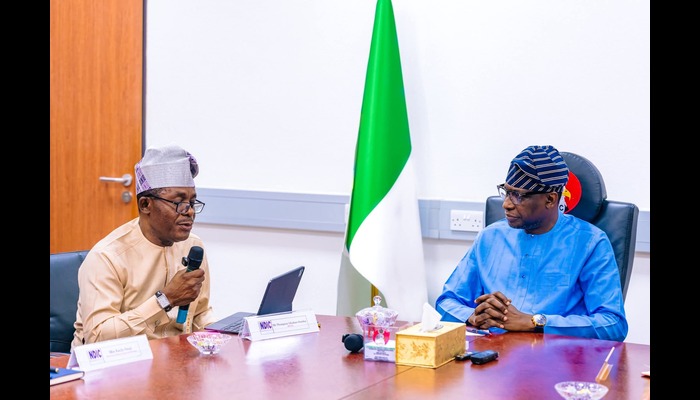

A strengthened partnership between two pivotal financial agencies signals a determined effort to bolster the foundation of Nigeria’s economy. The Nigeria Deposit Insurance Corporation (NDIC) and the Economic and Financial Crimes Commission (EFCC) have solidified their collaboration, specifically targeting the recovery of assets from failed banks and the prosecution of related financial crimes. This institutional alliance is a direct and necessary response to vulnerabilities within the financial sector, aiming to enhance depositor confidence, protect the integrity of the banking system, and shield the broader economy from the destabilizing effects of institutional collapse.
The NDIC, as the nation’s deposit insurer and bank liquidator, holds the primary mandate of protecting depositors and resolving the affairs of failed banks. A core, yet often challenging, part of this process is tracing and recovering valuable assets that belong to these defunct institutions. The EFCC, empowered to investigate and prosecute economic crimes, provides the essential legal and forensic force required for this task. By formalizing this collaboration, the agencies are working to create a more efficient pipeline from investigation to asset recovery and finally to prosecution. This closes critical operational gaps that have historically allowed perpetrators to evade justice and retain illicit gains, thereby safeguarding national wealth.
The economic implications of this partnership are profound. A secure and trustworthy banking sector is the essential platform for economic activity, enabling credit flow, facilitating transactions, and encouraging investment. Bank failures, frequently caused by insider abuse and fraud, severely erode public trust. When depositors lose confidence, it can lead to capital flight and a reduction in the domestic savings needed to fund economic growth. By aggressively pursuing the recovery of assets from failed banks, the NDIC and EFCC partnership works to minimize losses for depositors and creditors. This directly reinforces the crucial principle that the Nigerian financial system is safe and secure, which is a cornerstone of economic stability.
Furthermore, the deterrence effect created by successful prosecutions is a powerful economic tool. The clear risk of legal consequences acts as a major check on the reckless behavior of bank directors and managers. A demonstrated record of holding individuals accountable for practices that lead to bank failures strengthens corporate governance standards across the entire industry. This improved governance makes Nigeria’s banking sector more attractive to both domestic and foreign investors, who actively seek jurisdictions with strong, enforceable regulatory oversight. A reputation for rigorously policing the financial system is a key competitive advantage in attracting investment.
The timing of this reinforced collaboration is particularly significant for the national economy. As Nigeria contends with macroeconomic challenges, maintaining unwavering confidence in the banking system is paramount. The joint efforts of the NDIC and EFCC send a stabilizing signal to the market. They demonstrate to citizens, businesses, and international observers that the authorities are proactively equipped to address institutional weaknesses and criminality. Their work directly supports the Central Bank of Nigeria’s monetary policy by helping to ensure that the financial channels through which policy is transmitted remain robust and credible.
In conclusion, the deepened alliance between the NDIC and EFCC represents far more than a simple administrative agreement. It is a strategic investment in the systemic stability of Nigeria’s entire financial architecture. By combining their complementary powers to recover assets and enforce accountability, they are not merely addressing past failures. They are actively constructing a more transparent, resilient, and trustworthy banking sector for the future. This is a fundamental prerequisite for achieving sustainable and inclusive economic growth for the nation.