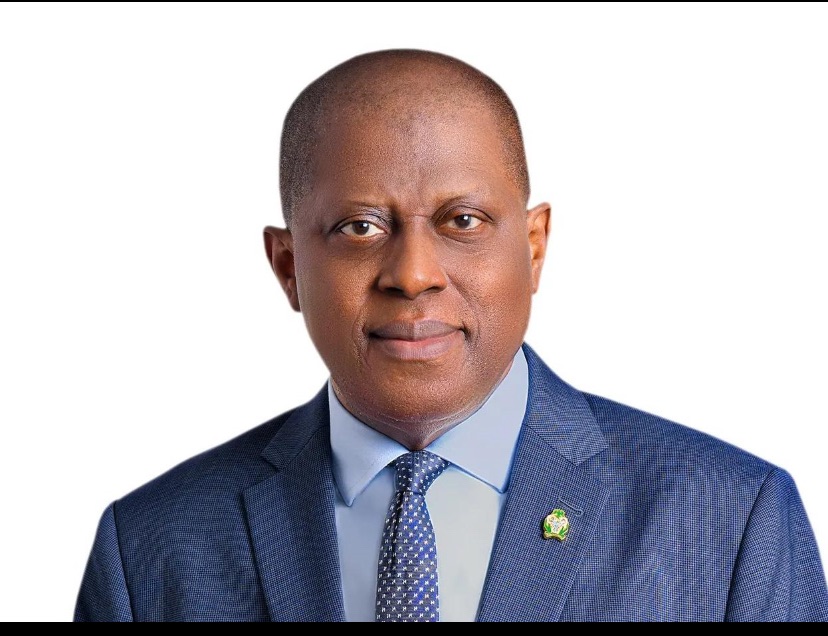

The Federal Government is taking fresh steps to improve coordination between its fiscal and monetary authorities as Minister of Finance and Coordinating Minister of the Economy, Taiwo Oyedele, met with the Governor of the Central Bank of Nigeria (CBN), Olayemi Cardoso, to discuss key economic issues.
The meeting, which took place on Monday at the Federal Ministry of Finance, was described by officials as short but productive. Both leaders focused on how closer cooperation can strengthen Nigeria’s economy, particularly through better liquidity management and more effective fiscal policies.
Liquidity management refers to the way money flows through the economy. Proper management helps ensure businesses, banks, and consumers have access to enough funds without creating excessive inflation or financial instability. Fiscal effectiveness, on the other hand, involves making government spending, taxation, and public revenue policies work more efficiently to support economic growth.
Speaking after the meeting, Oyedele stressed the importance of ensuring that fiscal and monetary policies move in the same direction. According to him, stronger collaboration between the Ministry of Finance and the Central Bank is necessary to protect the progress already made in stabilising the economy and to create more opportunities for businesses and citizens.
He noted that policy alignment will also help Nigeria move closer to achieving sustainable economic growth and shared prosperity.
The discussion comes at a time when Nigeria continues to face economic challenges such as inflation, exchange rate pressures, and the need to improve investor confidence. Economists have long argued that the country can achieve better results when the Ministry of Finance and the Central Bank work closely together instead of pursuing separate policy objectives.
Over the years, previous finance ministers have repeatedly called for stronger coordination with the CBN. Many experts believe that fiscal and monetary authorities must collaborate to effectively manage inflation, maintain exchange rate stability, improve government finances, and create a more favourable environment for businesses.
These issues remain critical because they directly influence the cost of living, borrowing costs, business expansion, and overall economic performance.
Since taking office in April 2026, Oyedele has made macroeconomic stability one of his top priorities. His administration has continued to focus on increasing government revenue, implementing economic reforms, improving public finances, and creating conditions that encourage investment.
Monday’s meeting with the CBN governor is seen as another step in advancing those objectives. Analysts believe stronger communication between the two institutions could improve policy implementation and reduce uncertainty for investors and businesses.
A coordinated approach may also strengthen confidence in Nigeria’s economic management, especially as the government works to attract more local and foreign investment while addressing inflationary pressures.
Although no new policy measures were announced after the meeting, the engagement highlights the government’s commitment to maintaining a united approach to economic management. Many observers expect further consultations between the Ministry of Finance and the Central Bank in the coming months as both institutions continue efforts to support economic stability, encourage private sector growth, and build a stronger foundation for long-term development.