



The Federal Government has unveiled a six-point roadmap for the implementation of the Nigeria First policy, a comprehensive plan aimed at strengthening local industries, stimulating economic growth, and promoting the patronage of made-in-Nigeria products.
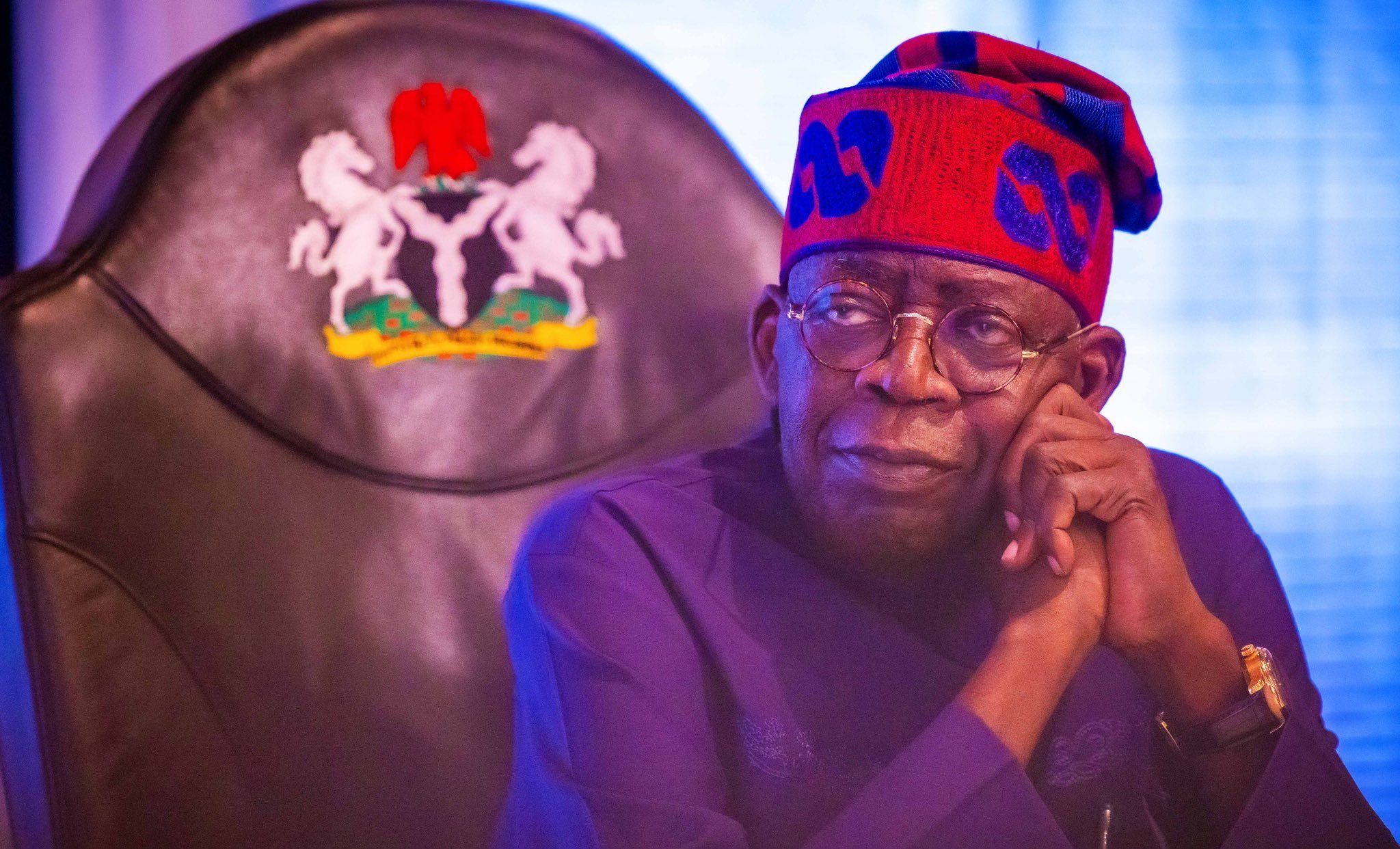
President Bola Tinubu disclosed the framework on Thursday during the 5th Adeola Odutola Lecture and the 53rd Annual General Meeting of the Manufacturers Association of Nigeria (MAN), held in Lagos. The President was represented by John Enoh, Minister of State for Industry, Trade and Investment.
According to Tinubu, the Nigeria First policy represents a strategic decision to leverage public funding, procurement, and partnerships to drive demand for locally made goods that meet international quality standards. The goal, he said, is to lower the structural costs of production and enhance the competitiveness of Nigerian manufacturers both domestically and globally.
Tinubu noted that the Nigeria First policy complements the recently validated Nigerian Industrial Policy, which was developed with broad input from key sectors including mining and manufacturing.
He added that Nigeria will transition from the validation stage to a sequenced implementation phase, complete with transparent milestones and timelines.
Citing data from the National Bureau of Statistics, Tinubu highlighted that the industrial sector grew by 7.45 percent, while manufacturing expanded by 1.6 percent, contributing 7.81 percent to GDP. He, however, stressed that more work is needed to achieve full industrial revitalisation.
“These are tangible foundations on which Nigeria First must now scale—through predictable demand, trusted standards, patient finance, reliable energy, and trade rules that reward local value addition,” he said.
Manufacturers Urged to Uphold Standards
The President urged manufacturers to prioritise quality, research and development, and adherence to standards. He described the e-MANCAP certification as a valuable tool rather than an obstacle, encouraging local sourcing where feasible and phased localisation where necessary.
He also directed MAN to collaborate with agencies such as the Federal Institute of Industrial Research (FIRO) and the Small and Medium Enterprises Development Agency of Nigeria (SMEDAN) to mentor MSMEs and strengthen supply chains.
“Citizens should expect greater visibility of made-in-Nigeria products in public procurement and key sectors, better value and safety through standards enforcement, and more local jobs as firms expand production lines,” Tinubu added.
In his welcome address, MAN President Francis Meshioye expressed optimism about the Nigeria First initiative, describing it as a potential game-changer for the manufacturing sector.


