
The Federal Government has set a target of creating two million jobs in Nigeria’s creative industry by 2030 as it seeks to make the sector a stronger driver of employment and economic growth.
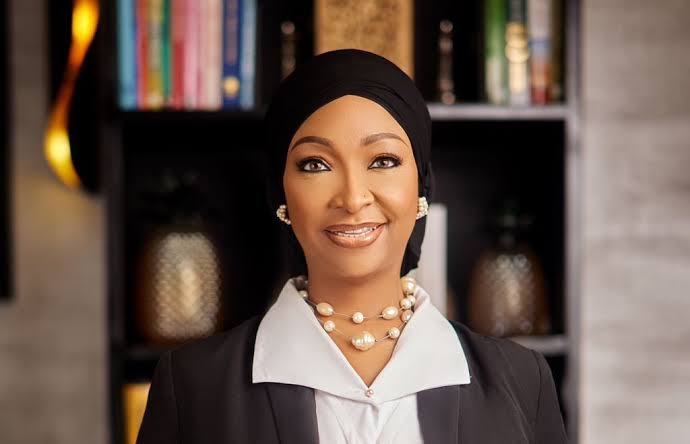
Minister of Art, Culture, Tourism and Creative Economy, Hannatu Musa Musawa, disclosed this on Friday, September 11, 2026, at the closing of the 2026 Kano Creative Summit organised by the National Theatre.
Musawa said the government was integrating the creative sector into its economic framework through President Bola Tinubu’s Renewed Hope Agenda and the Destination Nigeria initiative, with the two-million-job target forming part of the plan.
She said Kano’s long-standing creative traditions could play an important role in achieving the target, citing Kofar Mata indigo dyeing, leatherwork, weaving, blacksmithing, embroidery and the Kannywood film industry as areas with economic potential.
According to the minister, the state’s creative heritage could support job creation and economic growth if practitioners were given better access to skills, financing, markets and digital platforms.
She also called for the revival of idle cultural sites and community-based training programmes to transfer traditional skills and knowledge to younger Nigerians.
The latest target builds on initiatives introduced by the ministry over the past year. On September 19, 2025, the Federal Ministry of Art, Culture, Tourism and the Creative Economy unveiled its Creative Economy Data Mapping Report, which identified investment opportunities across film, music, fashion, design, digital content, tourism and cultural infrastructure.
The ministry said the report would serve as a roadmap for investors, private-sector operators and government agencies and support its goal of creating two million creative-economy jobs by 2030.
In April 2026, Musawa also inaugurated four committees covering policy and strategy, programmes and implementation, stakeholder engagement, and monitoring and evaluation. The committees were tasked with helping develop the policy and financing framework for the sector.
The government has also announced plans for a $200 million Creative Economy Development Fund domiciled with the African Export-Import Bank. The fund is intended to provide financing to creative businesses and entrepreneurs.
Musawa said the government wanted Nigeria’s creative economy to move beyond informal activity and become a structured industry capable of attracting investment, creating jobs and generating wider economic value.
The Kano summit brought together creatives, policymakers, investors and industry experts to examine ways of turning Nigeria’s cultural assets and creative talent into sustainable economic opportunities.
The government has not yet provided a detailed breakdown of how the two million jobs will be distributed across the different creative subsectors or specific annual job-creation targets between now and 2030.