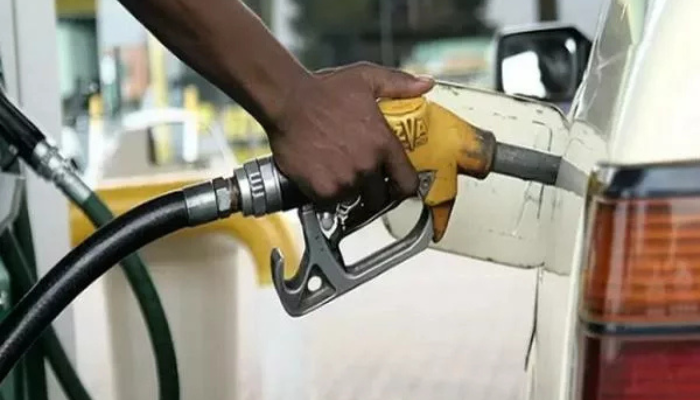

The federal government has suspended the implementation of a 15 percent ad-valorem import duty on imported Premium Motor Spirit and diesel, a decision that provides relief to Nigerians facing rising fuel costs. The suspension was announced by the Nigerian Midstream and Downstream Petroleum Regulatory Authority, which reassured the public that supply levels remain robust during the peak demand period.
The duty, approved in October 2025 by President Bola Ahmed Tinubu, was initially designed to encourage the use of domestically refined petroleum products and boost revenue for local refineries, including the Dangote Petroleum Refinery. However, the measure had drawn criticism from industry stakeholders who warned it could inflate petrol prices and contribute to broader inflationary pressures.
Economic Implications for Consumers
In a statement, George Ene-Ita, Director of Public Affairs at NMDPRA, emphasised that the suspension is intended to prevent unnecessary price hikes at petrol stations. He noted that adequate domestic supply, supplemented by imports, ensures that the market remains stable.
The government had argued that the tariff was part of broader fiscal and energy reforms aimed at strengthening Nigeria’s oil economy, protecting the naira, and supporting a transition to greater local refining capacity. The suspension now allows households and small businesses to avoid the immediate burden of higher fuel costs, which would have rippled through transportation, logistics, and consumer goods prices.
Balancing Local Refining with Market Stability
While the suspension delays the fiscal incentive intended for local refineries, it provides breathing space for the economy. Analysts say that applying the import duty prematurely could have raised the cost of living for ordinary Nigerians, particularly in urban areas where fuel directly affects transport fares, food prices, and the cost of goods.
Ene-Ita further warned against hoarding and panic buying, assuring the public that authorities are monitoring supply to prevent artificial price surges. He said the regulatory body will continue to implement measures to ensure uninterrupted distribution across the country.
For now, motorists and businesses can expect stability in pump prices, while local refineries are given time to scale operations without immediately transferring costs to consumers. The decision highlights the government’s ongoing challenge of balancing industrial policy goals with the immediate economic realities facing the average Nigerian.