
The Federal Government has secured more than $2 billion in private-sector investment for Nigeria’s Compressed Natural Gas (CNG) infrastructure and wider value chain as it intensifies efforts to lower transportation costs.
Minister of State for Petroleum Resources (Gas), Ekperikpe Ekpo, disclosed the figure on Tuesday, September 1, 2026, in a statement issued by his spokesperson, Louis Ibah.
Ekpo said the investment was facilitated under the Presidential Initiative on Compressed Natural Gas (Pi-CNG), launched in 2023, and has supported the expansion of refuelling infrastructure, vehicle conversion centres, technical capacity and other components of the CNG ecosystem.
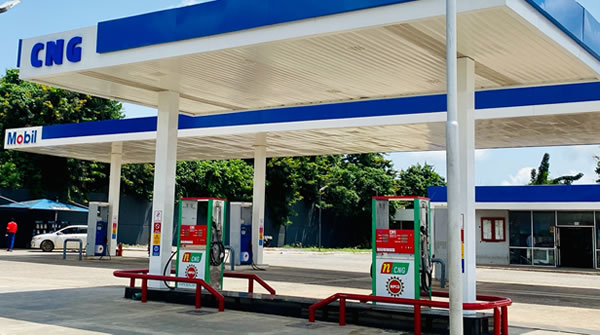
According to the minister, more than 120,000 vehicles have been converted to CNG through over 400 certified conversion centres, while more than 90 refuelling stations have been established nationwide.
The programme has also trained more than 7,700 automotive technicians and generated over 10,000 direct and indirect jobs. It has further facilitated the deployment of 655 CNG buses and 5,123 CNG tricycles, the minister said.
Ekpo said the growing adoption of CNG demonstrates that the fuel is becoming an increasingly viable alternative for commercial operators, private motorists and fleet owners, with users reporting significant savings in fuel costs.
The infrastructure expansion received further backing on Thursday, August 27, 2026, when President Bola Tinubu directed the rollout of an additional 500 CNG refuelling stations nationwide.
Tinubu said the additional stations would bring the planned number of CNG refuelling stations under the federal programme to 1,000 nationwide. He also said more than 100,000 additional conversion kits were being processed to support further vehicle conversions.
The President said vehicles running on CNG could spend between 60% and 80% less on fuel than comparable petrol-powered vehicles. He added that the Federal Government’s goal was for Nigerians to begin benefiting from those savings through lower transport fares from October 1, 2026.
The Federal Government has positioned CNG expansion as part of its broader strategy to deepen domestic gas utilisation, reduce dependence on petrol and ease the impact of high transportation costs on households and businesses.
Ekpo said the government would continue working with private investors and other stakeholders to expand CNG infrastructure and support wider adoption across the country.