The Federal Capital Territory Internal Revenue Service (FCT-IRS) has clarified that Nigeria’s latest tax reform is strategically engineered to alleviate financial pressure on low-income earners while promoting a more equitable revenue collection system.
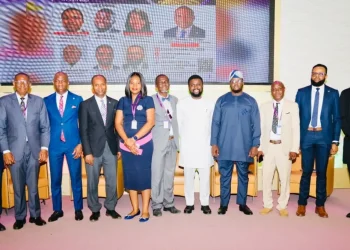
Speaking on Thursday, March 12, 2026, at the BusinessDay Tax Reform Conference in Abuja, the Acting Executive Chairman of the FCT-IRS, Mr. Michael Ango, emphasized that the new regime aims to exempt those within a certain low-income threshold from the tax net, ensuring that the fiscal burden shifts toward those in higher income bands.
The structural and economic consequence of this reform is a push for “fairness and equity” in how the government funds public infrastructure. Ango framed taxation as a “partnership” between citizens and the state, noting that a broader, more balanced contribution base is essential for the government to provide security, schools, hospitals, and roads.
He urged Nigerians to engage with the reform by visiting government offices to seek clarity, asserting that the initiative transcends politics and focuses on building a functional system for national progress.Analytically, the reform aims for simplicity and efficiency to encourage voluntary compliance. Mr. Joseph Tegbe, Chairman of the National Tax Implementation Committee, reassured the public that the system includes mechanisms for redress.
He noted that any individual or business that feels over-taxed can file complaints for review by appropriate authorities. According to Tegbe, the overarching goal is to strip away the complexities of the old system, making it easier for the government to administer and for businesses to thrive.The impact on “Household Relief and Small Business Support” represents a vital dimension of the 2026 fiscal roadmap.
Professor Uche Uwaleke from Nasarawa State University, Keffi, highlighted that the reform provides specific protections for pensions and healthcare contributions, shielding them from additional tax burdens. By expanding exemptions for those at the bottom of the economic ladder, the policy is designed to increase the disposable income of households and provide a more supportive environment for small-scale enterprises to grow.Furthermore, the reform is intended to bridge the gap between high-level policy intent and the everyday economic realities of Nigerians.
Mr. Frank Aigbogun, publisher of BusinessDay, represented by Executive Director Mr. John Osadolor, stated that the conference was organized to dissect the President’s recent tax laws. These regulations are geared toward streamlining Nigeria’s fragmented tax landscape, enhancing administration across all levels of government, and driving long-term economic growth through transparent revenue generation.
The long-term outlook for the Nigerian tax system suggests a shift toward a more inclusive and less punitive fiscal environment. As the National Tax Implementation Committee continues its rollout, the focus remains on ensuring that the “simpler and fairer” model translates into improved public services. For the average citizen, the success of this reform will be measured by the government’s ability to protect the most vulnerable while delivering the essential infrastructure promised in exchange for their contributions.