


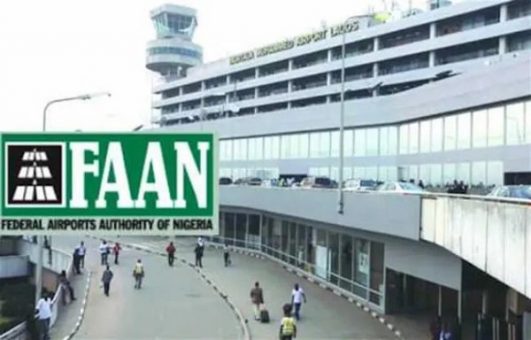

The Federal Airports Authority of Nigeria (FAAN) has issued a firm directive to airlines, urging them to immediately review their flight timetables to significantly curb the frustrating delays and outright cancellations often seen during the peak festive season.
The Agency’s management has announced it has stepped up its oversight, moving from quarterly stakeholder consultations to weekly meetings with airlines and ground handlers to ensure a comfortable passenger experience and smooth flight operation throughout December and January.
Mrs Olubunmi Kuku, the Managing Director of FAAN, disclosed the plan in Abuja at a recent retreat, where she emphasised the core mandate of the agency. “Crucially, we must ensure that all our airports are safe, secure, and welcoming spaces for our guests, who are the reason for our existence,” she said.
Highlighting the persistent challenge of poor schedule integrity, Mrs Kuku called for greater transparency. “We are asking the airlines, in conjunction with the Nigeria Civil Aviation Authority, to review their schedules and at least make information available in a timely manner where delays exist. So we are working closely together to ensure that we can have a smooth operation this holiday period.”
She also confirmed that major infrastructure issues are being addressed, including fixing faulty cooling systems, resolving critical power supply challenges, especially in Lagos, and tackling cleanliness. “The sanitary environment is something that we have seen complaints about,” she acknowledged, adding that the agency is bringing in professional facility managers, and not just cleaners, to major airports to tackle the issue.
The agency’s intervention is timely, as flight delays and cancellations are not merely an inconvenience but pose a significant threat to Nigeria’s socio-economic development. Incessant disruptions to air travel have been identified by analysts as counterproductive to business activity, costing the national economy millions of dollars annually due to missed appointments, lost business opportunities, and general inefficiency.
Industry analysts attribute much of the problem to carriers failing to match their schedules to their actual fleet size. “Flight delays have continued to increase because most of the schedules that the airlines had are still there while the aircraft are reducing in number. This means they need to adjust their schedules,” commented Mr Ohunayo Olumide, an aviation industry expert, stressing that better scheduling is essential to improve operational reliability.
Beyond operational matters, Mrs Kuku revealed a significant step towards institutional sustainability. FAAN has substantially increased its aeronautical and non-aeronautical revenue targets, resulting in a non-aeronautical revenue increase of over fifty per cent in the last year.
“We are on track as it relates to our revenue targets, and we are excited about that, and hope that FAAN will continue to be a self-sustaining agency,” she explained. This shift is vital for the agency, enabling it to rely less on government funding and reinvest in infrastructure without being disproportionately dependent on passenger traffic fees.
Dr Abdullahi Ganduje, the Chairman of the FAAN Board, pledged the board’s full support for the management’s efforts to create a “modern, efficient, innovative, and financially sustainable institution.” He stressed that the management must prioritise operational excellence, passenger experience, and adopt a unified security architecture across all airports.
Dr Ganduje concluded that the upgrade of infrastructure, enhanced security systems, and the adoption of digital solutions must be accelerated to align Nigeria’s airports with global best practices, ensuring staff welfare and robust financial pathways remain central to the agency’s progress.


