
Nigeria’s National Economic Council (NEC) has provisionally approved the sum of ₦100 billion for the rehabilitation of training institutions for the police and other security agencies across the country. The funding, which includes an additional ₦2.6 billion for necessary consultancy services, is subject to final ratification by President Bola Tinubu.
The decision was the result of recommendations made by an ad-hoc committee tasked with assessing the facilities, which were found to be in “dire condition.” The initiative is viewed as a foundational step toward improving national security and governance.
Governor Peter Mbah of Enugu State, who chaired the committee, framed the massive investment as essential for the nation’s economic future. He argued that the overhaul is a crucial step toward achieving the President’s ambitious goal of building a $1 trillion economy.
“You cannot have socio-economic development in an atmosphere of insecurity or in an under-policed environment,” the Governor stated, underscoring that private sector growth the primary driver of the economy cannot happen without a safe and secure environment. Experts agree that current insecurity severely hampers foreign direct investment and overall business confidence, making this reform vital for long-term growth.
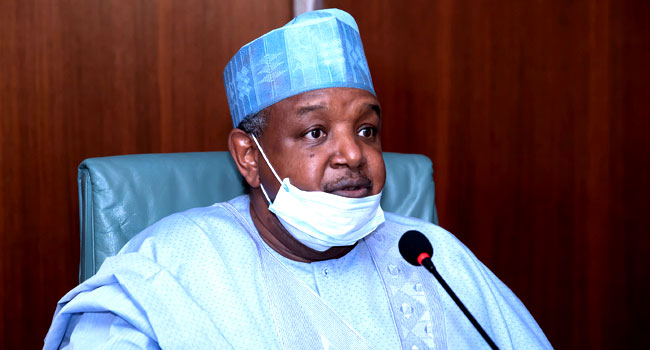
Following the approval, Vice President Kashim Shettima, who chaired the virtual meeting, issued a strong mandate to all state governors. He charged them to ensure that federal and state economic reforms genuinely translate into clear and measurable improvements in the lives of ordinary Nigerians.
The Vice President demanded a shift from political rhetoric to tangible results. “Our task is not to admire problems, but to solve them. Not to explain challenges, but to overcome them,” he stressed. “The era of policy without results must give way to governance defined by tangible outcomes in communities across the country.”
The approval of the funds represents a significant commitment to professionalising the security sector, a move that is expected to stimulate economic activity by fostering a more stable environment where businesses can thrive, thereby leading to increased job creation and poverty reduction.