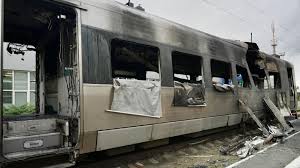

Russian military strikes across Ukraine killed at least eight people on Monday, March 2, 2026, as Moscow intensified its targeting of civilian infrastructure and transport networks. The casualties occurred during a series of bombardments spanning the eastern, central, and northern regions of the country, coming at a time of increased diplomatic pressure from the United States for Kyiv to negotiate a peace settlement with the Kremlin.
The structural and strategic consequence of these attacks is most evident in the targeting of Ukraine’s railway system. In the central Dnipropetrovsk region, a Russian drone strike targeted a moving passenger train, resulting in the death of a 75-year-old man and wounding nine others. According to Deputy Prime Minister Oleksiy Kuleba, the locomotive crew performed an emergency stop to facilitate the evacuation and first aid of passengers. This incident aligns with warnings from Ukrainian Railways CEO Oleksandr Pertsovskyi, who recently characterized the surge in strikes on rail infrastructure as a deliberate attempt to geographically isolate specific regions of the country.
Analytically, the eastern Donetsk region remains the deadliest theater of the conflict. In Kramatorsk, a critical Ukrainian stronghold currently facing a Russian advance, three people were confirmed dead following a heavy bombardment. In the nearby town of Druzhkivka, regional authorities reported two additional fatalities and 13 injuries. These areas are part of the territory the Kremlin claimed to annex in 2022, and the relentless shelling underscores Moscow’s commitment to seizing full administrative control of the Donbas despite international condemnation.
The impact on “Civilian Vulnerability and Total War” extends to the northern and central interiors. Beyond the train attack, rescue workers in the Dnipropetrovsk region discovered the body of a 55-year-old man beneath the rubble of a destroyed home. Meanwhile, in the northern Chernigiv region near the Russian border, local officials announced the death of an elderly woman born in 1937. These scattered fatalities demonstrate the high risk posed to non-combatants as Russia maintains a strategy of pounding urban centers and energy grids far from the primary trench lines.
Furthermore, the scale of human loss continues to mount in what has become Europe’s deadliest conflict since World War II. Since the full-scale invasion began in February 2022, the war has claimed hundreds of thousands of lives across both military and civilian populations. The latest strikes on transit and residential areas suggest a shift toward psychological and logistical warfare, aimed at degrading the mobility of the Ukrainian population and their access to essential services.
The long-term outlook for Ukraine’s infrastructure remains precarious as the Kremlin continues to prioritize the degradation of the country’s connectivity. While the United States continues to push for a diplomatic resolution, the ongoing loss of life in cities like Kramatorsk and on the national rail lines illustrates the immense difficulty of reaching a ceasefire while offensive operations remain in high gear. For the survivors of Monday’s train attack and the families in Donetsk, the immediate reality remains a struggle for basic safety amidst a war of attrition.