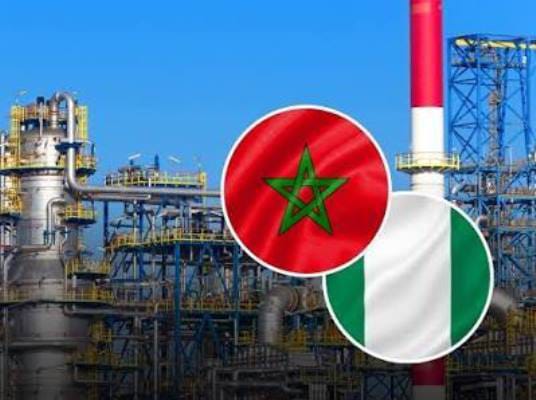

The Economic Community of West African States (ECOWAS) has officially backed the Nigeria-Morocco African Atlantic Gas Pipeline, describing the project as a major step towards improving energy security, regional trade and economic growth across West Africa. The endorsement came during the 67th Ordinary Session of the ECOWAS Authority of Heads of State and Government, where leaders agreed that the ambitious gas pipeline would strengthen cooperation among member countries and create new opportunities for development.
The Nigeria Morocco African Atlantic Gas Pipeline is expected to transport natural gas from Nigeria through several West African countries before reaching Morocco, where it will connect to the European gas market. The project is also designed to supply gas to countries along the route, helping them improve electricity generation and support industrial growth.In the final communiqué issued after the meeting, ECOWAS leaders reaffirmed their commitment to the project and encouraged member states to continue working together to ensure its successful implementation.
The leaders stated that the pipeline would help increase access to cleaner energy, deepen regional integration and contribute to long term economic progress across the subregion.”Conference endorsed the Nigeria Morocco African Atlantic Gas Pipeline Project and encouraged all Member States to support its implementation,” the communiqué said.
The project is one of Africa’s biggest cross border energy investments and is expected to span thousands of kilometres across the Atlantic coast. It aims to connect more than a dozen countries while improving energy access for millions of people.Supporters believe the pipeline will reduce energy shortages, encourage industrialisation and attract more investments into the region. It is also expected to create thousands of jobs during its construction and operational phases while boosting government revenues through gas exports and related economic activities.
For Nigeria, the project offers another opportunity to maximise its vast natural gas reserves and strengthen its position as one of Africa’s leading energy producers. Morocco, on the other hand, is expected to become a strategic gateway for exporting African gas to Europe through existing infrastructure.Beyond its economic value, the pipeline is expected to improve energy cooperation among African countries by promoting shared infrastructure and encouraging joint investments in the energy sector. Analysts say this could reduce dependence on imported fuels and support the continent’s transition to cleaner sources of energy.
The endorsement by ECOWAS also sends a strong message to investors and development partners that West African countries remain committed to delivering large scale infrastructure projects despite economic and geopolitical challenges.If completed as planned, the Nigeria Morocco African Atlantic Gas Pipeline is expected to transform the region’s energy landscape, improve electricity supply, expand access to natural gas and strengthen economic ties among participating countries.
The backing of the project by ECOWAS leaders marks another important milestone as Nigeria, Morocco and other participating countries continue technical, financial and diplomatic efforts to move the pipeline closer to construction and eventual operation.