
Nigeria’s high crude oil production costs are being driven partly by insecurity and ageing infrastructure, with presidential candidate Donald Duke arguing that the country spends almost as much securing its oil as it does extracting it.
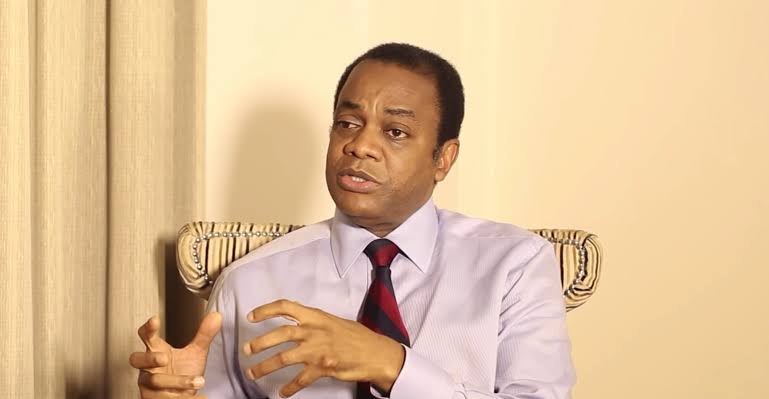
Duke, a former governor of Cross River State and presidential candidate of the Peoples Redemption Party (PRP), made the remarks during an interview with ARISE NEWS on Thursday, October 15, 2026.
He said the cost of extracting a barrel of crude oil in Nigeria was between $12 and $15, but security expenses and deteriorating infrastructure could push the overall cost to between $25 and $45 per barrel.
“The actual production cost of a crude in Nigeria is anywhere between $12 and $15. What takes it up to $25 or $45 is security costs and dilapidated infrastructure,” Duke said.
He argued that spending between $10 and $15 to secure each barrel significantly increases the cost of producing the country’s crude oil, reducing the economic benefits Nigeria should derive from its petroleum resources.
Figures published by the Nigerian Upstream Petroleum Regulatory Commission (NUPRC) support concerns about Nigeria’s high production costs, although they do not independently establish Duke’s specific estimate of security expenditure per barrel.
In a report published in February 2025, The PUNCH quoted the commission as putting Nigeria’s average crude oil production costs between $25 and $40 per barrel, compared with costs as low as $10 per barrel in Saudi Arabia.
The high costs affect the profitability of oil operations and the revenue available to the government. When more money is spent producing each barrel, less remains from its sale before other fiscal obligations and revenue-sharing arrangements are considered.
Oil theft, pipeline vandalism and damage to petroleum infrastructure have also remained major challenges for Nigeria’s oil industry. These problems can disrupt production, increase maintenance and protection expenses, and make it more difficult to deliver crude to export terminals and refineries.
Duke said addressing these inefficiencies should be part of a broader strategy to reduce energy costs and improve the productivity of Nigerian workers and businesses.
The PRP presidential candidate also linked the cost of crude oil and its processing to the high price of petrol paid by Nigerians.
He has proposed reducing petrol prices to about ₦300 per litre through a system that would allocate crude oil for domestic consumption and use contract refining arrangements.
In a separate ARISE NEWS interview published on October 8, 2026, Duke said his proposal would involve allocating 600,000 barrels of crude oil daily for domestic consumption while selling the remaining production.
Under the arrangement he described, the government would agree on a refining fee, retain ownership of the resulting petroleum products and manage their distribution and sale.
However, his proposed price remains a policy target rather than an established outcome. The final retail price would depend on several factors, including crude oil valuation, refining charges, transportation, distribution, financing and other operating costs.
Reducing security expenditure could improve the economics of Nigeria’s oil industry, but it would not automatically guarantee a particular petrol price.
Duke said the government should also expand its revenue base through broader economic activity instead of relying excessively on petroleum-related income.
He identified energy, healthcare, education and infrastructure as priority areas, stressing that lower operating costs and improved access to essential services would help Nigerians become more productive.
His comments have renewed attention on the cost of protecting Nigeria’s oil infrastructure and the extent to which persistent operational challenges reduce the economic value of the country’s petroleum resources.