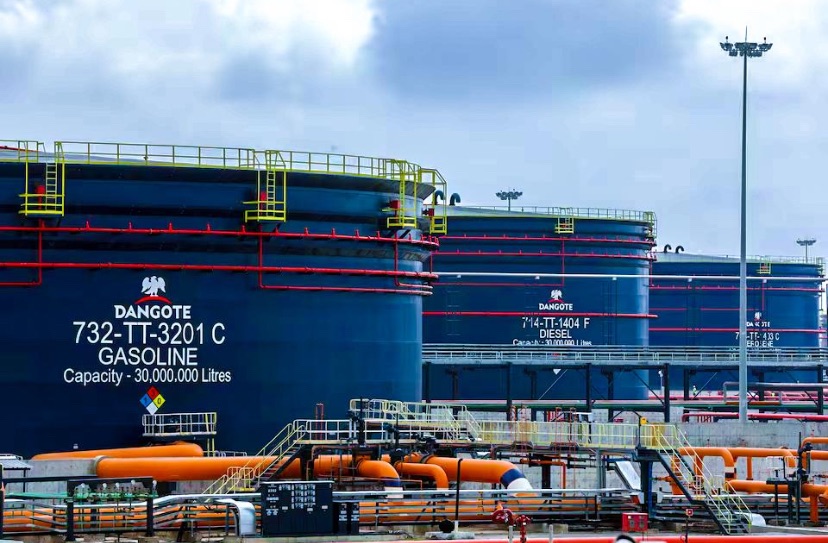

Nigeria’s largest privately owned refinery is preparing for another major phase of growth after securing fresh investment aimed at expanding its production capacity. The move is expected to strengthen local fuel supply, create more jobs and support the country’s economy by reducing dependence on imported petroleum products.
The Dangote Refinery recently attracted billions of dollars in new funding from investors, providing the company with additional resources to increase production and improve its operations. The expansion is part of the refinery’s long-term strategy to meet rising fuel demand in Nigeria and across Africa while positioning itself as one of the world’s leading refining facilities.
Industry experts believe the investment will allow the refinery to improve efficiency, expand storage facilities and strengthen its distribution network. These improvements could make it easier to supply petrol, diesel, aviation fuel and other refined products to both local and international markets.
For many Nigerians, one of the biggest questions is whether the expansion will lead to lower fuel prices. While fuel prices are influenced by several factors, including global crude oil prices, exchange rates and transportation costs, analysts say higher local refining capacity could help reduce supply shortages and ease some of the pressure on prices over time.
The refinery has already reduced Nigeria’s dependence on imported fuel by supplying a significant portion of the country’s petroleum needs. Increasing production further could help save billions of dollars previously spent on fuel imports while improving the nation’s energy security.
The expansion is also expected to create employment opportunities. As construction and operational activities increase, more engineers, technicians, logistics workers and other professionals are likely to be employed. Businesses that provide transportation, maintenance, security and other support services could also benefit from the project’s growth.
Beyond job creation, the investment is expected to stimulate economic activities in sectors connected to the oil and gas industry. Local suppliers, manufacturers and service providers may experience increased demand as the refinery expands its operations.
Economists say the project could also improve Nigeria’s foreign exchange position. By refining more crude oil locally and exporting surplus petroleum products, the country may earn additional foreign exchange while reducing the amount spent on importing refined fuel.
The refinery’s expansion comes at a time when Nigeria is working to strengthen its industrial base and encourage more private investment in key sectors of the economy. Large-scale investments such as this are seen as important steps toward improving infrastructure, increasing productivity and supporting long-term economic growth.
Although challenges such as global oil price fluctuations, logistics costs and market competition remain, the latest funding gives the refinery greater financial strength to continue its expansion plans.
As production capacity increases, industry observers will be watching closely to see how the project affects fuel availability, pricing and Nigeria’s position in Africa’s energy market. If the expansion delivers its expected benefits, it could further transform the country’s petroleum industry and reinforce Nigeria’s ambition to become a major exporter of refined petroleum products.