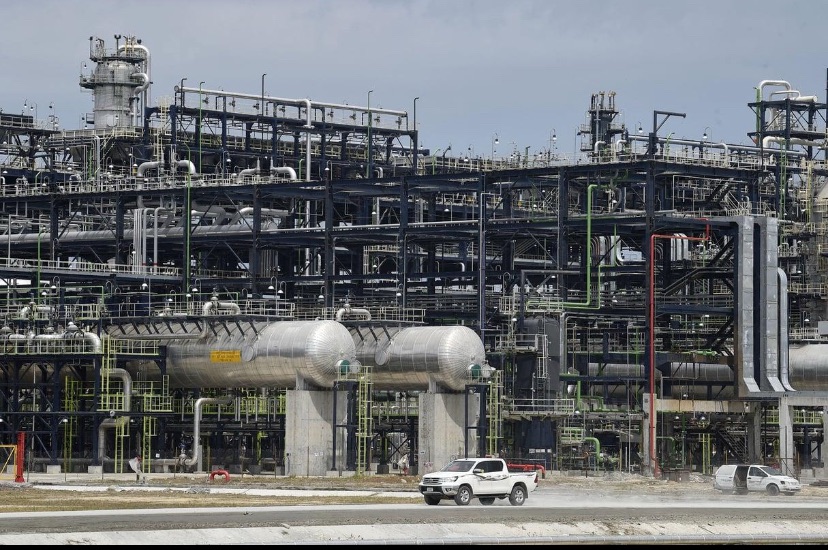

The Dangote Petroleum Refinery has increased the price of petrol sold to marketers at its gantry by N20 per litre, adding fresh pressure to Nigeria’s downstream fuel market.
The refinery’s Premium Motor Spirit (PMS) price has moved from N1,165 to N1,185 per litre. The new price takes effect from midnight on August 21, 2026.
The latest adjustment comes at a time when international crude oil prices are climbing, creating renewed concerns about the cost of petroleum products in the Nigerian market.
Brent crude, the global oil benchmark, rose above $93 per barrel on Thursday, reaching its highest level in about three weeks. Reports attributed the increase partly to growing uncertainty over possible discussions between the United States and Iran.
Brent gained about 1.95 per cent to trade at $93.48 per barrel, while West Texas Intermediate (WTI), the US benchmark, increased by about two per cent to $86.12 per barrel.
The movement in global oil prices is particularly important for Nigeria because changes in crude prices can influence the cost of refined petroleum products, especially when supply conditions become tighter.
Despite the new Dangote price, its petrol remains slightly cheaper than prices being quoted at some major Lagos depots.
PMS is currently being sold at about N1,200 per litre at Integrated Oil and Gas, African Terminals and NIPCO. Pinnacle Oil and Gas, meanwhile, is selling at around N1,190 per litre.
This means Dangote’s new gantry price is N15 below the N1,200 rate at three of the depots and N5 below Pinnacle’s price.
The refinery had not publicly provided a detailed explanation for the latest increase as of the time of the report.
The petrol price adjustment also comes as the international oil market faces increased geopolitical uncertainty.
Oil prices have been rising for several consecutive trading sessions following tougher rhetoric from US President Donald Trump towards Iran. Trump warned of severe economic measures against Iran and threatened countries supporting the country with additional economic consequences.
The possibility of stronger sanctions on Iran has increased concerns about potential disruptions to oil supplies from the Middle East.
Market analysts, however, believe the pressure in petroleum markets is not evenly distributed across all products.
Ole Hansen, Head of Commodity Strategy at Saxo Bank, noted that crude oil remained available while refined products such as diesel were experiencing tighter conditions.
The situation has pushed refining margins higher, particularly for diesel. In the United States, the diesel crack spread reportedly reached triple digits during the week, climbing to around $102 per barrel before easing to approximately $100.
For Nigerian motorists and businesses, the latest Dangote adjustment could increase attention on pump prices in the coming days.
Although the refinery’s new price remains below several depot rates, any sustained increase in international crude prices or further supply disruptions could create additional pressure across the domestic fuel market.