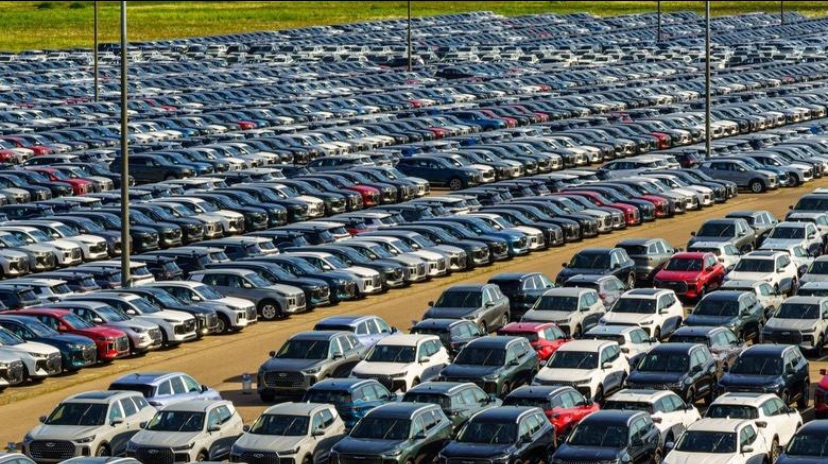

Dealerships across the country are reporting some of the slowest sales stretches in recent memory, as high borrowing costs and squeezed household budgets keep buyers off the lot even as inventory sits full.
Sales staff at multiple dealerships describe entire days without a single walk-in customer, and salespeople say the shoppers who do come through the door are far more hesitant to commit than they were even a year ago. Deals that once closed in a single visit are now dragging out for weeks, and a growing share are falling apart entirely once financing terms are presented.
At the center of the slowdown is the cost of borrowing. With auto loan rates still elevated, the monthly payment on a new or newer used vehicle has climbed well beyond what many working households can absorb. Rising insurance premiums have compounded the problem, adding hundreds of dollars a year to the real cost of ownership on top of the loan itself. Wage growth, dealers say, has not kept pace.
The strain is showing up beyond sales floors and into public view. A post circulating on X this week captured the frustration in stark terms. A user posting under the handle Nurapost wrote about a friend who owns a dealership, saying the friend “hasn’t sold a single car in 3 months. Not one.” The post drew a wave of replies from other salespeople and dealership owners describing similarly bleak months, canceled orders and buyers backing out at the financing stage.
Industry figures interviewed informally echo that account. Several described watching inventory age on their lots for longer than usual, forcing them to carry the financing, insurance and upkeep costs on vehicles that would normally have turned over within weeks. Some dealerships have begun cutting prices or offering incentives to move stock. Others have trimmed staff hours to offset the drop in commissions and revenue.
Analysts who track the auto sector say the pattern is consistent with what typically happens when interest rates stay high for an extended period: buyers delay big purchases, hold on to older vehicles longer and opt for repairs over replacement. That behavior tends to ease only once borrowing costs come down or wages rise enough to restore affordability.
For now, dealers say they are simply waiting it out, watching interest rate decisions and consumer spending data for any sign that the market is about to turn. Until then, the lots stay full and the phones stay quiet.